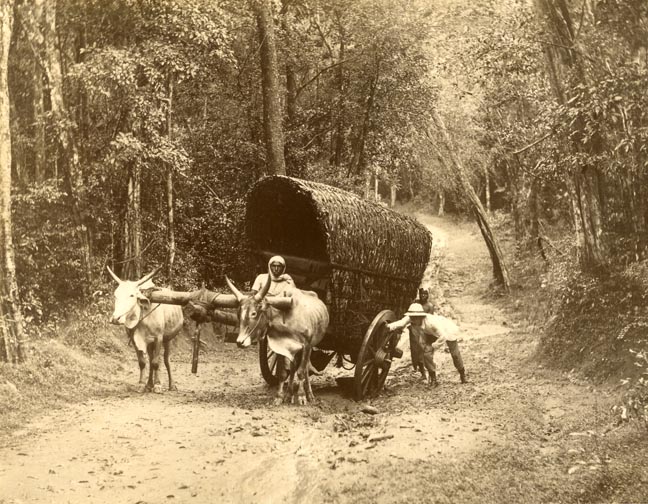
Sri Lanka, the teardrop-shaped island nestled in the Indian Ocean, is a land steeped in history, tradition, and natural beauty. Its cultural heritage, historic sites, and lush landscapes offer travelers an immersive experience into a past that dates back thousands of years. From ancient temples and colonial architecture to wildlife safaris and pristine beaches, the island is a paradise that has something to offer everyone. This article will explore the best of Sri Lanka’s history, the top tourist attractions, and popular itineraries, providing a ground-level glimpse into the wonders of this enchanting country.
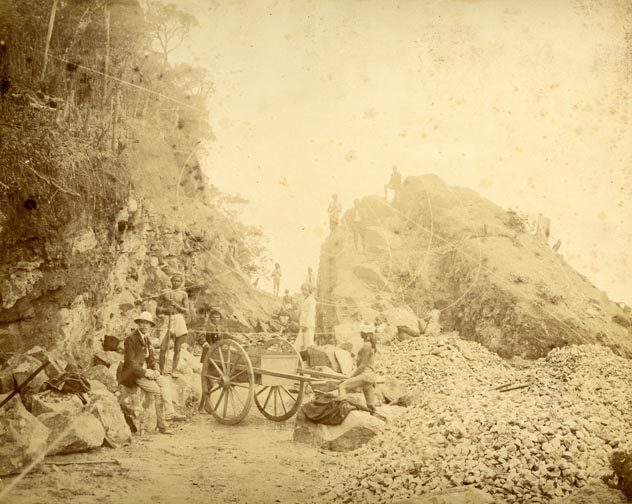
Sri Lanka’s recorded history spans over 2,500 years, originating with the arrival of the Sinhalese people. According to legend, Prince Vijaya, the first recorded king of Sri Lanka, arrived from India around 543 BCE. Buddhism was introduced by Mahinda, son of the Indian Emperor Ashoka, in the 3rd century BCE, which had a profound impact on the island’s culture, art, and architecture.
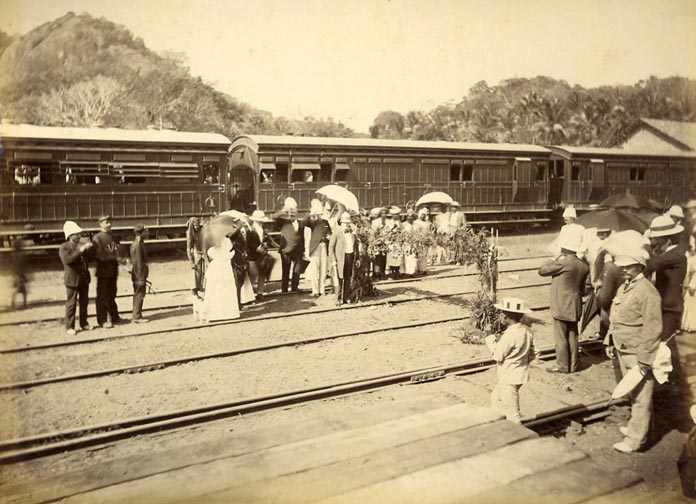
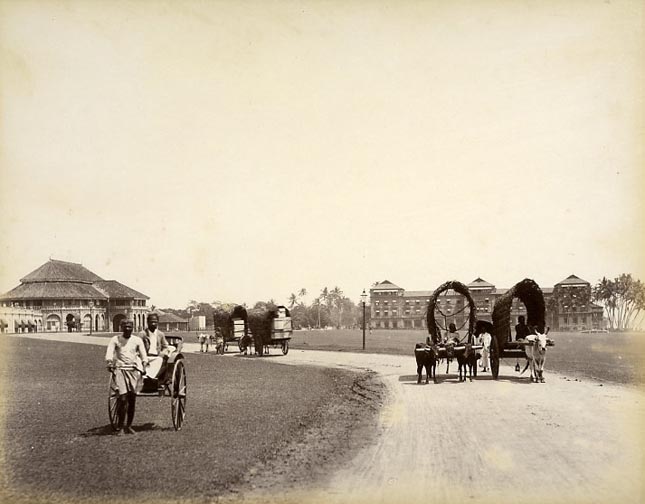
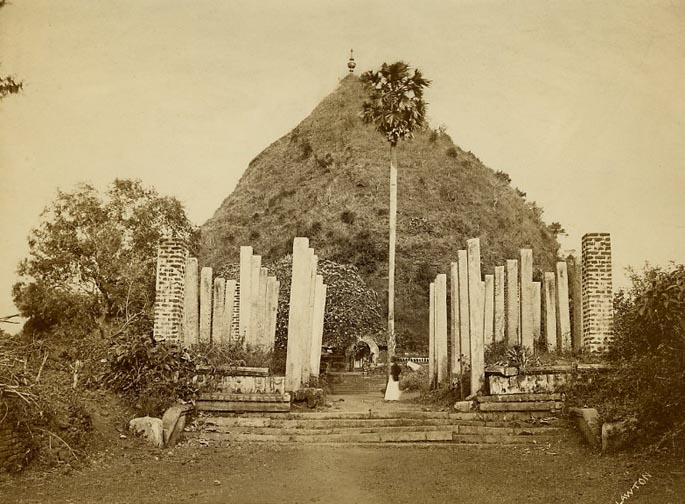
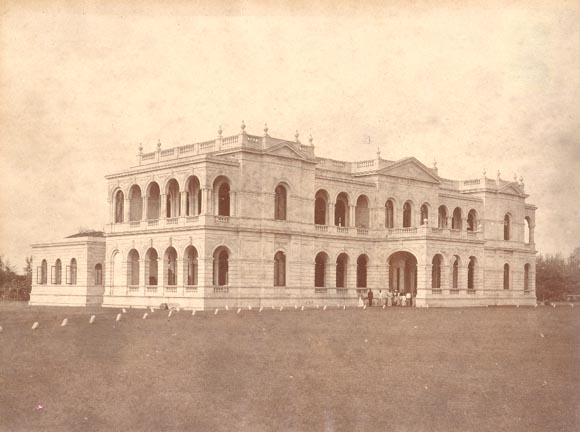
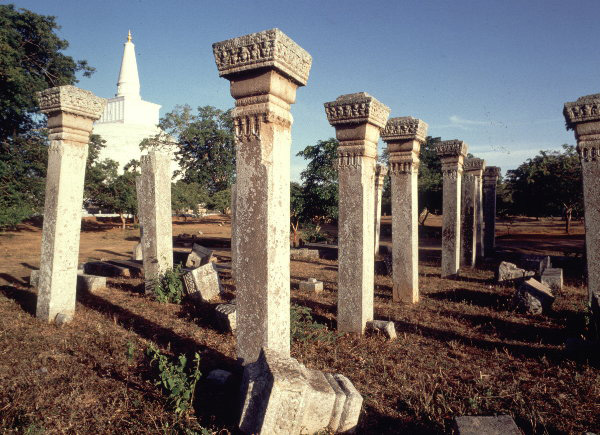
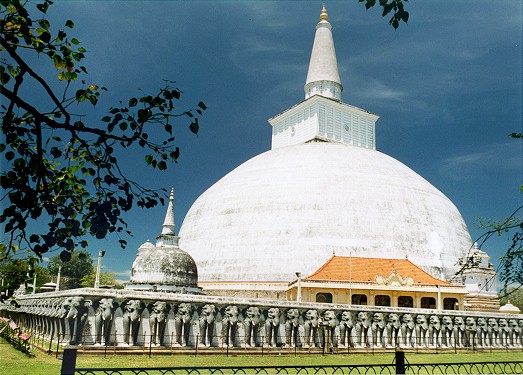
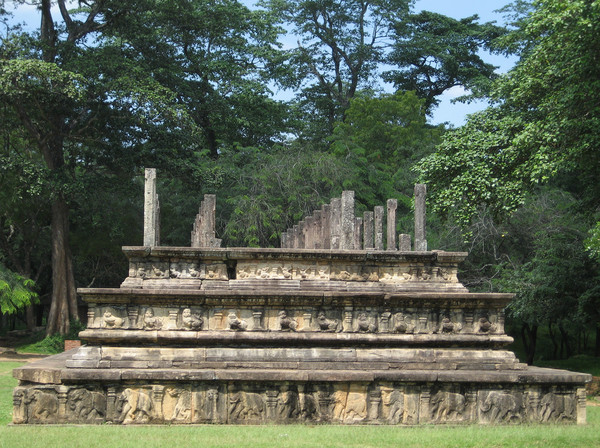
The ancient kingdoms of Anuradhapura and Polonnaruwa serve as testaments to Sri Lanka’s rich cultural legacy, showcasing majestic stupas, elaborate sculptures, and advanced irrigation systems. Later, the island fell under colonial rule, with the Portuguese, Dutch, and British successively occupying it until Sri Lanka gained independence in 1948. This colonial past is still visible in the architecture, especially in cities like Colombo and Galle, which have retained their historical charm while modernizing.
Sri Lanka’s attractions cater to diverse interests, from nature enthusiasts and history buffs to adventure seekers and beach lovers. Here are some must-visit places for a true Sri Lankan experience:
Sigiriya, also known as the Lion Rock, is an ancient fortress built atop a massive rock plateau that rises 200 meters above the jungles. Constructed by King Kashyapa in the 5th century, this UNESCO World Heritage Site features impressive frescoes, water gardens, and a lion-shaped entrance. Visitors can climb the rock and enjoy panoramic views of the surrounding countryside.
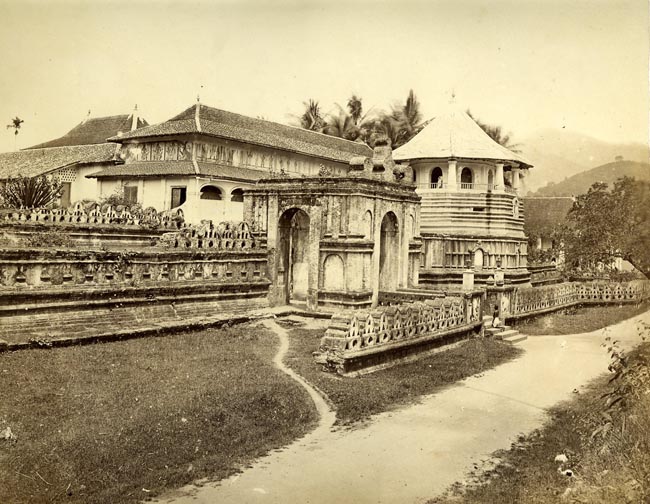
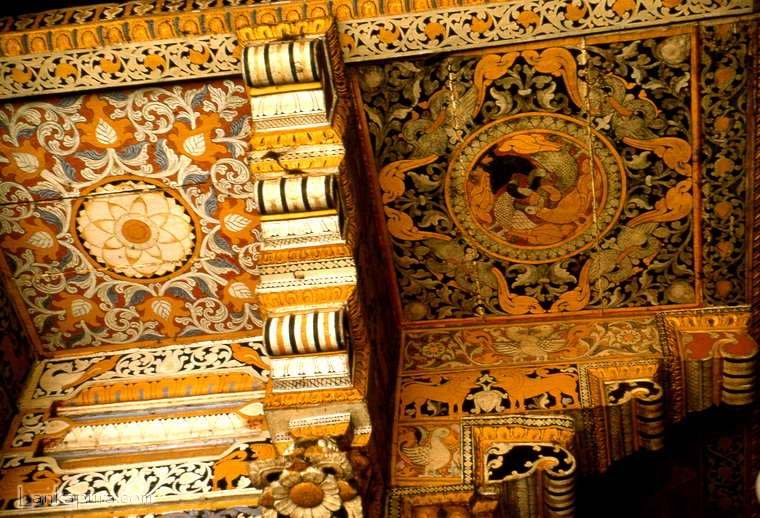
The Temple of the Tooth, or Sri Dalada Maligawa, is one of Buddhism's most sacred sites, housing a tooth relic of the Buddha. Located in Kandy, the temple is known for its beautiful architecture and intricate carvings. Visitors can witness the daily rituals and explore the surrounding Kandy Lake and Royal Palace for a deeper dive into Sri Lankan spirituality and culture.
Galle Fort, a historic fortification on the southwest coast, is a blend of Portuguese, Dutch, and British architecture, making it a unique UNESCO World Heritage Site. Walking through Galle’s cobbled streets, visitors can explore colonial-era buildings, boutique shops, cafes, and churches, all while enjoying breathtaking coastal views.
These ancient cities are home to ruins of stupas, temples, and palaces that date back over a thousand years. Anuradhapura, the first capital of Sri Lanka, is famed for the Sacred Bo Tree, believed to be a sapling from the tree under which Buddha attained enlightenment. Polonnaruwa, the second capital, offers well-preserved sculptures and ancient buildings, showcasing the architectural achievements of Sri Lanka's early rulers.
For wildlife enthusiasts, Yala National Park on the southeastern coast is a haven of biodiversity. It’s one of the best places in the world to spot leopards, along with elephants, sloth bears, and a variety of birds. Safari tours in Yala provide a close encounter with these majestic animals in their natural habitat.
Ella, a small town in the central highlands, is a favorite among backpackers and nature lovers. With attractions like the Nine Arches Bridge, Ella Rock, and tea plantations, this hill town offers picturesque views and opportunities for scenic hikes. The train ride to Ella from Kandy is considered one of the world’s most beautiful train journeys.
The Dambulla Cave Temple, also known as the Golden Temple, is a complex of caves filled with statues and paintings depicting Buddha’s life. Dating back over 2,000 years, this site offers insights into ancient Sri Lankan art and spirituality. Climbing to the top also rewards visitors with a panoramic view of the surrounding landscape.
Whether you’re visiting for a week or longer, these itineraries provide a balanced experience of history, nature, and relaxation.
Day 1-2: Colombo to Sigiriya
Start in Colombo, explore the city’s landmarks, then travel to Sigiriya. Spend a day exploring Sigiriya Rock Fortress and the nearby ancient city of Dambulla.
Day 3-4: Polonnaruwa and Kandy
Head to Polonnaruwa for a glimpse into Sri Lanka's ancient civilization, then proceed to Kandy, where you can visit the Temple of the Tooth and experience traditional Kandyan dance performances.
Day 5-6: Nuwara Eliya and Ella
Continue to Nuwara Eliya, known as "Little England" for its colonial charm. Tour a tea plantation, then take the scenic train to Ella. Spend a day hiking to Ella Rock and visiting the Nine Arches Bridge.
Day 7: Yala National Park
Wrap up the journey with a safari in Yala, where you can spot wildlife like elephants, leopards, and exotic birds.
Day 1-3: Colombo and Negombo
Begin with a city tour of Colombo, followed by a visit to the fishing town of Negombo, known for its sandy beaches and Dutch-era canals.
Day 4-5: Kandy and Peradeniya
Head inland to Kandy, visiting the Temple of the Tooth and the Royal Botanical Gardens in Peradeniya, which features a wide range of tropical flora.
Day 6-7: Ella and Tea Country
Take the train to Ella, enjoying the scenic landscapes. Spend time visiting tea estates and trekking.
Day 8-10: Galle and Unawatuna
Travel south to Galle Fort, then relax on the beaches of Unawatuna, a popular spot for snorkeling, diving, and seaside dining.
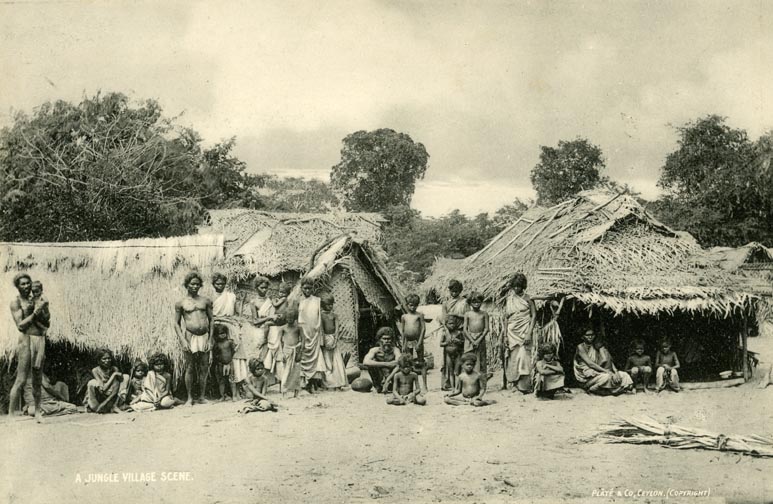
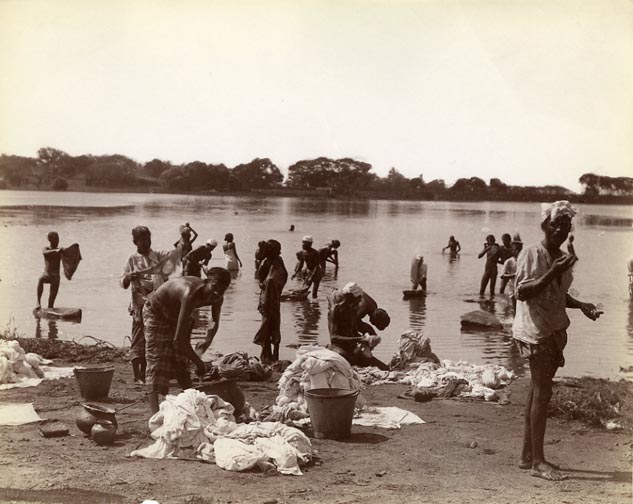
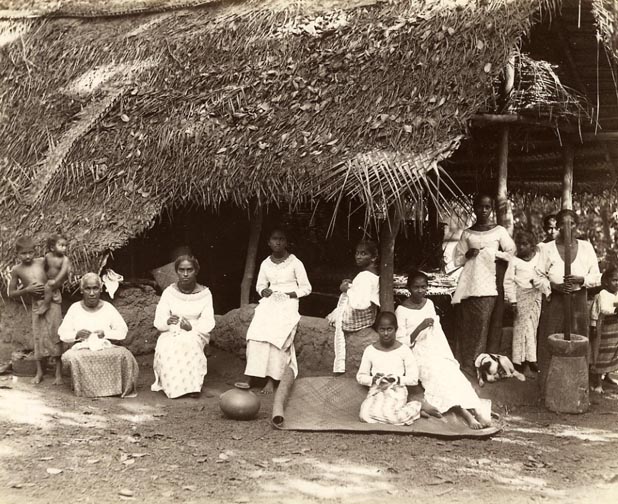
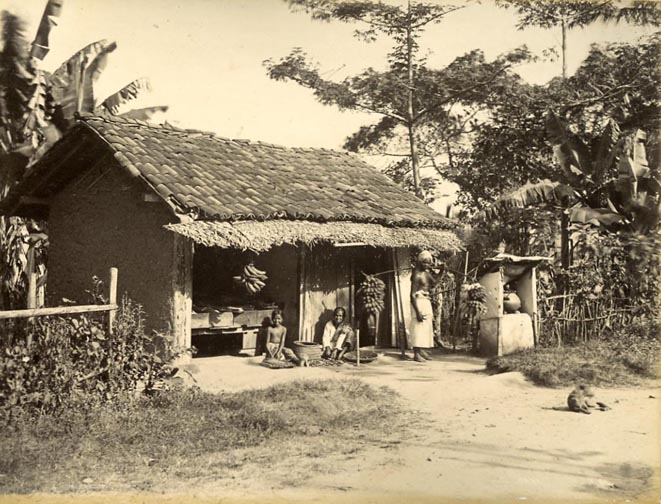
To truly experience Sri Lanka, go beyond the usual tourist sites and engage with local culture. Here are some authentic ways to experience Sri Lanka at the grassroots level:
Stay at a Village Homestay: Many rural communities offer homestays where you can participate in daily activities like farming, cooking, and weaving.
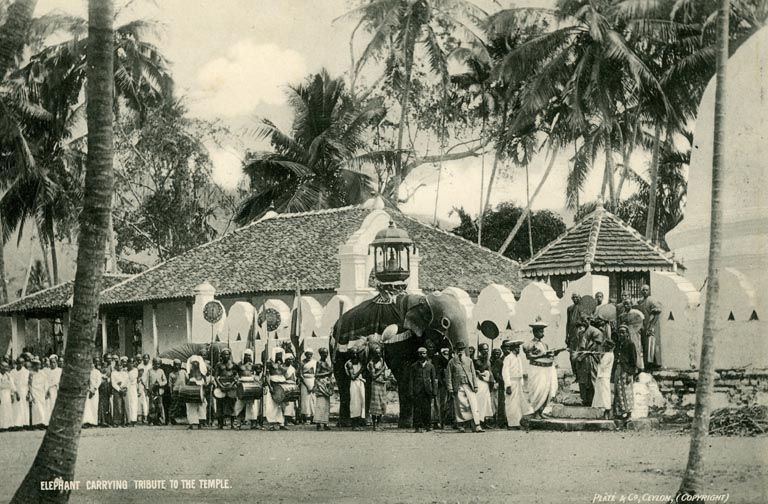
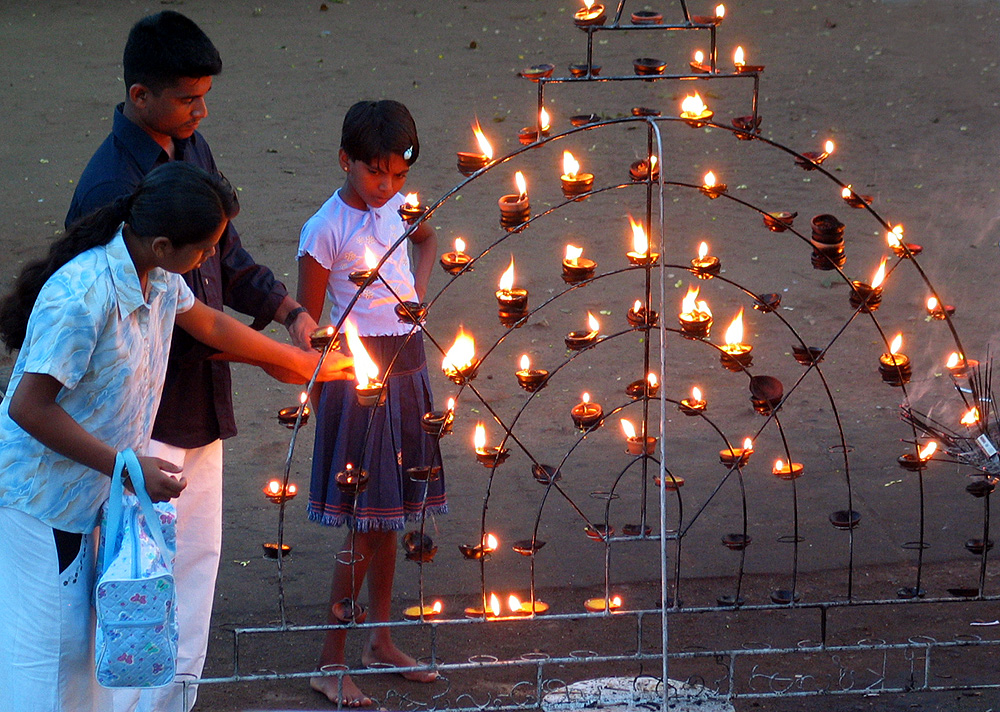
Attend a Festival: Sri Lanka is known for its vibrant festivals, including the Kandy Esala Perahera, a grand procession honoring the Buddha’s tooth relic. Experiencing a festival allows you to see Sri Lankan traditions up close.
Try Local Cuisine: Sri Lankan food is flavorful and spicy, with staples like rice and curry, hoppers (rice flour pancakes), and kottu roti (a popular street food). Join a cooking class to learn the art of Sri Lankan cuisine.
Tea Plantation Tours: The hill country is home to picturesque tea plantations where you can learn about the tea-making process, from plucking leaves to processing and tasting.
Ayurvedic Spa Treatments: Sri Lanka is known for its traditional Ayurvedic medicine, and many resorts offer Ayurvedic massages and treatments using natural herbs and oils, ideal for relaxation and rejuvenation.
Best Time to Visit: Sri Lanka has two monsoon seasons, so plan your trip according to the regions you wish to visit. The best time for the west and south coasts is from December to March, while the east coast is ideal from April to September.
Getting Around: Public transport, including trains and buses, is affordable and offers scenic views, especially in the hill country. Alternatively, tuk-tuks and private cars provide flexibility for traveling between destinations.
Cultural Etiquette: Respect local customs by dressing modestly, especially when visiting temples. Always remove shoes before entering religious sites and be mindful of local customs.
Sri Lanka promises a captivating journey through history, culture, and natural beauty. From its ancient ruins and sacred temples to scenic beaches and wildlife sanctuaries, this island paradise offers experiences that are as diverse as they are unforgettable. Whether you’re looking to immerse yourself in history, relax by the beach, or connect with local culture, Sri Lanka welcomes you with open arms and countless memories waiting to be made.




Ancient Cities
National Parks
Popular Beaches
2024 sri-lanka.asia , All rights reserved [ Sri Lanka Asia Travel & Tourism Foundation ] | Terms and Conditions | Privacy Policy | Disclaimer | Instagram | Linkedin