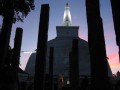
As both Buddhism and Hinduism co-exist in Sri Lanka, both Hindu temples and Buddhist viharas are found across the country. The temples in Sri Lanka are not only important as religious places but some of them have also become popular as tourist spots.
Kelaniya Royal Temple or Kelaniya Raja Maha Viharaya is located about 10 Km from Colombo. This is one of the largest temples in Sri Lanka. In the 20th century, this shrine was renovated under the patronage of Mrs. Helena Wijewardana.
The Golden Rock Temple or Rajamaha Temple is located in Dambulla. It is one of the most popular Buddhist temples in this country. It has been identified as one of the heritage sites in Sri Lanka by UNESCO. A number of valuable materials have been stored in the Dambulla Viharaya.
The Konesawaram Temple located in Trincomale is one of the beautiful Hindi temples of Sri Lanka. This temple is dedicated to the Hindu god Lord Shiva. It is built during 17th century on the Swami Rock.
The Temple of Tooth or Sri Dalada Maligawa is a Buddhist temple built during 17th century in Kandy. It is believed that a tooth of Lord Buddha has been placed here. The interior of this temple has decorations on ivory, lacquer and wood. The tooth relic is placed inside a shrine of two-stories.
Sri Lanka’s Temples and Sacred Trade: A Journey Through Spiritual Commerce, Craftsmanship, and Pilgrim Destinations
Sri Lanka, often called the "Island of Temples," is celebrated for its deeply rooted spiritual traditions. The island is home to a wealth of religious sites that attract both pilgrims and tourists. The temples are not only spiritual centers but also play an integral role in the trade of sacred arts and crafts, including intricately crafted statues, ritual offerings, and traditional textiles. This blend of spirituality and commerce creates a unique cultural experience, where visitors can appreciate the artistry of temple crafts and engage with local markets that support religious practices.
In this article, we explore Sri Lanka’s renowned temples, the traditional trade practices surrounding them, and itineraries for tourists to immerse themselves in the spiritual and cultural atmosphere of the island.
1. Introduction to Sri Lanka’s Temple Culture and Sacred Trade
Religion is an integral part of Sri Lankan life. The country is predominantly Buddhist, but it is also home to significant Hindu, Christian, and Islamic communities, each with their own beautiful temples and religious centers. These religious sites are often surrounded by markets and trade activities that cater to worshippers and visitors. Common items sold around temples include handmade statues, prayer items, textiles, and traditional herbal remedies.
Exploring these temple sites offers visitors a rich, sensory experience filled with the sounds of chants, the aroma of incense, and the vibrant colors of sacred decorations. The trade surrounding these temples is just as fascinating, giving insight into Sri Lanka’s rich artisanal heritage.
2. Key Temple Sites and Their Unique Traditions
a) Temple of the Sacred Tooth Relic – Kandy
The Temple of the Sacred Tooth Relic in Kandy is one of Sri Lanka’s most significant religious sites. This temple, which houses a tooth relic of Buddha, draws pilgrims from all over the Buddhist world. The relic is considered a national treasure, symbolizing Sri Lanka's deep connection to Buddhism.
Experiential Highlights in Kandy
- The Esala Perahera is an annual parade that features traditional dancers, drummers, and caparisoned elephants, attracting thousands of visitors.
- Near the temple, visitors can find markets selling offerings, such as lotus flowers and traditional oil lamps, as well as handcrafted statues of Buddha.
- Shops around Kandy specialize in Kandyan silver jewelry, temple ornaments, and intricately designed cloth that features motifs used in temple ceremonies.
b) Dambulla Cave Temple – Dambulla
The Dambulla Cave Temple, also known as the Golden Temple of Dambulla, is a UNESCO World Heritage Site and one of Sri Lanka’s most impressive cave temple complexes. Located in central Sri Lanka, the temple features a series of caves filled with ancient Buddhist statues and paintings dating back thousands of years.
Experiential Highlights in Dambulla
- The local markets around Dambulla offer items such as handmade clay statues, religious scrolls, and intricate brassware. Travelers can also find herbal products used in traditional ceremonies.
- Climbing up to the caves provides a sense of pilgrimage, with a scenic route that lets visitors experience the serene landscape surrounding the temple.
- Artisans around Dambulla create replica statues and paintings, a unique way to bring home a piece of Sri Lanka’s ancient Buddhist art.
c) Kataragama Temple – Kataragama
The Kataragama Temple is a unique spiritual destination revered by Buddhists, Hindus, and Muslims alike. Dedicated to the deity Kataragama, this temple draws devotees from all religious backgrounds and is known for its elaborate rituals and vibrant festivals.
Experiential Highlights in Kataragama
- During the Kataragama festival, thousands of pilgrims participate in rituals, offering colorful garlands, fruits, and incense.
- Around the temple, vendors sell sacred beads, religious charms, and prayer offerings. The market also includes stalls with locally made cloth, often used in temple rituals.
- Traditional Kataragama drums, a key element in ceremonies, are crafted by local artisans and sold in nearby shops, making for a unique cultural souvenir.
d) Jaya Sri Maha Bodhi – Anuradhapura
The Jaya Sri Maha Bodhi in Anuradhapura is one of the oldest and most sacred Buddhist relics in the world, believed to be a sapling from the original Bodhi tree under which Buddha attained enlightenment. This site is deeply revered and visited by both Sri Lankans and international pilgrims.
Experiential Highlights in Anuradhapura
- Pilgrims offer flowers, oil lamps, and prayer flags at the base of the Bodhi tree, which is surrounded by a peaceful garden.
- Local artisans craft miniature Bodhi tree replicas, Buddhist flags, and prayer beads that are available in nearby stalls.
- Around the site, visitors can find shops selling traditional ayurvedic products and herbal remedies used by devotees for centuries.
e) Munneswaram Temple – Chilaw
Munneswaram Temple, near Chilaw, is one of Sri Lanka’s oldest and most important Hindu temples. This temple complex is dedicated to the deity Shiva and includes shrines for other Hindu gods as well.
Experiential Highlights in Chilaw
- Visitors can observe rituals led by priests, which often involve music, dance, and fire offerings.
- The area around Munneswaram Temple has shops selling religious statuettes, brassware, and traditional oils used in Hindu ceremonies.
- Vendors also sell Hindu prayer items such as garlands, camphor, and puja trays, providing an authentic experience of Hindu worship practices.
3. Sample Itineraries for Exploring Sri Lanka’s Temple Trade and Craftsmanship
5-Day Spiritual and Cultural Temple Tour
- Day 1 - Kandy: Begin in Kandy with a visit to the Temple of the Sacred Tooth Relic. Experience the nearby markets selling ritual offerings and temple-related handicrafts.
- Day 2 - Dambulla: Travel to the Dambulla Cave Temple, exploring the cave complex and nearby stalls with handcrafted religious artifacts.
- Day 3 - Anuradhapura: Continue to Anuradhapura to visit the Jaya Sri Maha Bodhi, where you can experience the calm atmosphere of the Bodhi tree and shop for traditional souvenirs.
- Day 4 - Kataragama: Journey to Kataragama for an immersive experience in temple festivals and explore the colorful markets around the temple.
- Day 5 - Colombo: End your tour in Colombo, where you can find a variety of shops specializing in religious items and handicrafts from across Sri Lanka.
7-Day Deep Dive into Sri Lanka’s Temple Crafts and Festivals
- Day 1 - Colombo: Begin in Colombo with visits to shops that specialize in traditional Sri Lankan arts and crafts related to temple culture.
- Day 2-3 - Kandy: Spend two days in Kandy visiting the Temple of the Sacred Tooth Relic, the Esala Perahera parade, and the markets selling temple ornaments.
- Day 4 - Chilaw: Visit the Munneswaram Temple, observe Hindu rituals, and explore shops selling brassware and religious items.
- Day 5-6 - Anuradhapura and Mihintale: Explore the ancient city of Anuradhapura and Mihintale, the birthplace of Buddhism in Sri Lanka, visiting temples and local artisans.
- Day 7 - Dambulla: Conclude with a visit to the Dambulla Cave Temple, learning about ancient religious art and purchasing locally crafted souvenirs.
4. Practical Tips for Visitors Interested in Temple Trade and Cultural Experiences
- Respect Local Customs: Sri Lanka’s temples are sacred spaces, so visitors should dress modestly, remove shoes, and avoid taking photos inside certain areas.
- Engage with Local Artisans: Many markets around temples feature handmade goods created by local artisans. Engage with these artists to learn more about the history and techniques behind their crafts.
- Plan Around Festivals: Sri Lanka’s temple festivals, like the Kandy Esala Perahera and Kataragama Festival, offer vibrant experiences but can attract large crowds. Plan accordingly and book accommodations early if visiting during these times.
- Buy Authentic Souvenirs: For a meaningful memento, purchase items from reputable vendors near temples, as these products often reflect traditional craftsmanship and support local communities.
- Explore with a Guide: To fully appreciate the history and cultural significance of Sri Lanka’s temples and temple trades, consider hiring a guide who can provide context and details that enhance the experience.
Sri Lanka’s temples and the trade surrounding them provide an unforgettable look into the island’s rich religious heritage, arts, and cultural practices. This blend of spirituality and commerce makes for a uniquely immersive experience, allowing visitors not only to appreciate the sacred sites but also to take home a piece of Sri Lanka’s enduring craftsmanship and cultural identity.