Adam’s Peak: Sri Lanka’s Majestic Mountain of Spiritual Significance and Natural Beauty
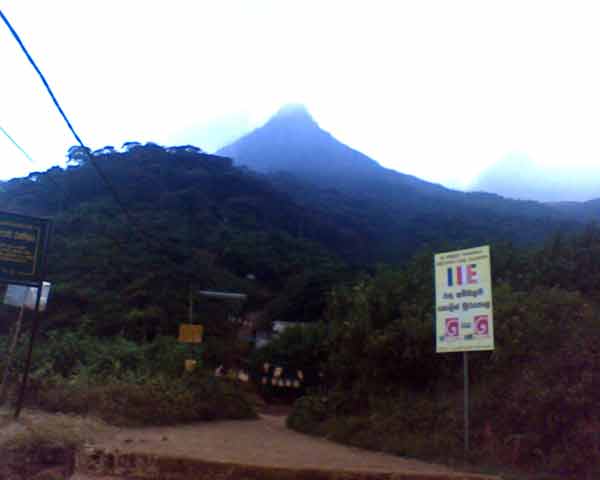
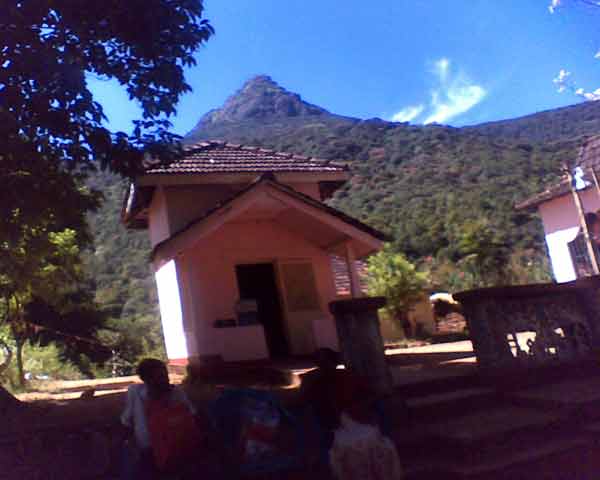
Adam’s Peak, or Sri Pada as it is locally known, is one of Sri Lanka’s most iconic and revered natural landmarks. Rising to 2,243 meters, it towers majestically over the surrounding landscape, offering panoramic views that stretch far beyond the horizon. With its unique blend of spirituality, breathtaking scenery, and challenging ascent, Adam’s Peak has attracted pilgrims and adventurers alike for centuries.
This sacred mountain is not only a destination for those seeking adventure, but also for those in search of spiritual enrichment. The peak is revered in many cultures, believed to house the footprint of Adam, Buddha, or even Lord Shiva, depending on one's religious tradition. For travelers, it is a place where cultural history and natural wonder intertwine. Here’s an in-depth guide to visiting Adam’s Peak, including the top attractions, practical travel tips, and suggested itineraries.
Adam’s Peak has long been a sacred site for followers of various religions. The peak is known for its distinctive footprint-like rock formation at the summit, which is believed to be the footprint of Adam by Christians and Muslims, of Buddha by Buddhists, and of Lord Shiva by Hindus. This unique feature has made Adam’s Peak a place of spiritual pilgrimage for people of different faiths.
Buddhist Tradition: Buddhists believe that the footprint at the summit is that of Lord Buddha, who is said to have visited the mountain during his lifetime. The temple at the summit is a key pilgrimage site for Buddhists, especially during the annual Sri Pada season from December to May.
Christian and Muslim Tradition: For Christians and Muslims, the footprint is believed to be that of Adam, who, according to tradition, was cast out of the Garden of Eden and made his way to Sri Lanka. According to Islamic belief, the footprint is that of the prophet Adam.
Climbing Adam’s Peak is no small feat. The journey to the summit is a physically demanding one, but it is a journey that offers breathtaking rewards for those who take the challenge. The ascent involves navigating a series of over 5,000 steps carved into the mountain’s slopes. These steps vary in height and difficulty, and climbers will need to pace themselves carefully to avoid fatigue.
The pilgrimage to the summit traditionally begins at night, allowing climbers to reach the top in time to witness a breathtaking sunrise. The early morning hours offer a cooler climate for the hike, and watching the first rays of light illuminate the landscape from the top of the mountain is a truly unforgettable experience.
There are several routes to the top of Adam’s Peak, each offering a unique experience:
The Hatton Route: This is the most popular and traditional route for pilgrims. Starting from the town of Dalhousie, the climb takes about 5-6 hours to the summit. The Hatton route is well-maintained and offers various facilities for rest stops along the way.
The Ratnapura Route: Known as the "Western Route," this path is often used by those seeking a more serene and peaceful climb. It is slightly longer and steeper than the Hatton route but offers fewer crowds.
The Kuruwita Route: Starting from the town of Kuruwita, this route is the least traveled, offering a more secluded and peaceful hike for those looking to escape the crowds.
While the summit of Adam’s Peak is the primary attraction, the surrounding area also offers various other attractions that make it worth spending a few extra days in the region.
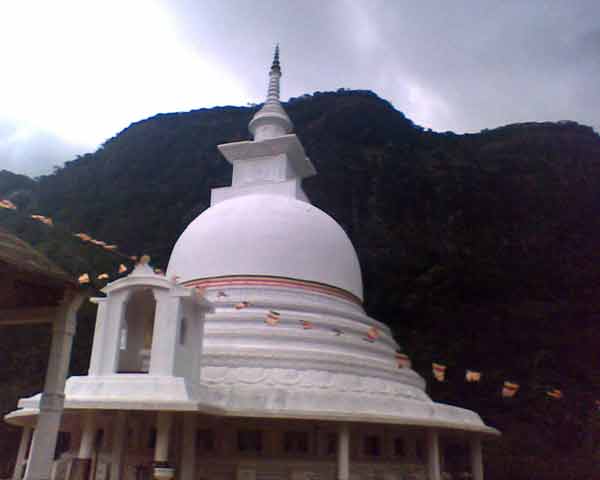
The temple at the top of Adam’s Peak is a significant landmark. As climbers approach the summit, they will be greeted by an array of colorful prayer flags, and upon reaching the peak, a serene temple complex awaits. Pilgrims often gather here to meditate, offer prayers, and reflect on their journey. The view from the temple is awe-inspiring, offering a panoramic perspective of the mountain ranges, valleys, and misty forests below.
The area surrounding Adam’s Peak is home to some of Sri Lanka’s most famous tea plantations. The cool, mist-laden slopes are perfect for tea cultivation, and visitors can explore the plantations by foot or vehicle. A visit to one of the local tea estates offers a chance to learn about the tea-making process, sample fresh brews, and purchase some high-quality Ceylon tea to take home.
Located nearby, Horton Plains National Park is another natural treasure in Sri Lanka, known for its diverse flora and fauna. The park’s most famous feature is World’s End, a dramatic cliff that offers some of the most spectacular views in Sri Lanka. The park also offers a range of hiking trails suitable for nature enthusiasts and wildlife lovers.
At the base of Adam’s Peak, in the town of Dalhousie, lies the Saman Devale Temple, which is dedicated to the deity Saman, the guardian of Adam’s Peak. It is a place of devotion and rest for pilgrims before they begin their ascent. The temple is a serene place to experience local rituals and connect with the spiritual energy that surrounds the mountain.
Whether you’re planning a day trip or an extended visit, here are a few suggested itineraries for exploring Adam’s Peak and its surrounding areas:
Adam’s Peak offers more than just a challenging climb; it is a profound cultural and spiritual experience. Whether you’re drawn to the summit for religious reasons or for the beauty of the mountain, the journey to Sri Pada is a journey of personal growth, serenity, and reflection. The stunning sunrise, the panoramic views, and the spiritual atmosphere make Adam’s Peak a truly unforgettable destination.

Ancient Cities
National Parks
Popular Beaches
2024 sri-lanka.asia , All rights reserved [ Sri Lanka Asia Travel & Tourism Foundation ] | Terms and Conditions | Privacy Policy | Disclaimer | Instagram | Linkedin