Sri Lanka Traditional Dance: A Journey into Rhythmic Heritage
Sri Lanka’s traditional dance forms are deeply rooted in its history, culture, and spirituality, offering a vibrant display of the island's unique artistic heritage. The dances of Sri Lanka, dating back over a thousand years, are much more than just performances—they are sacred rituals, cultural expressions, and storytelling mediums passed down from one generation to another.
From the renowned Kandyan dance to the vibrant Sabaragamuwa and low-country dances, each region has its distinct style and character, influenced by history and local customs. This article takes you through the enchanting world of Sri Lankan traditional dance, highlighting key styles, festivals, and must-visit locations where you can experience these captivating performances up close.
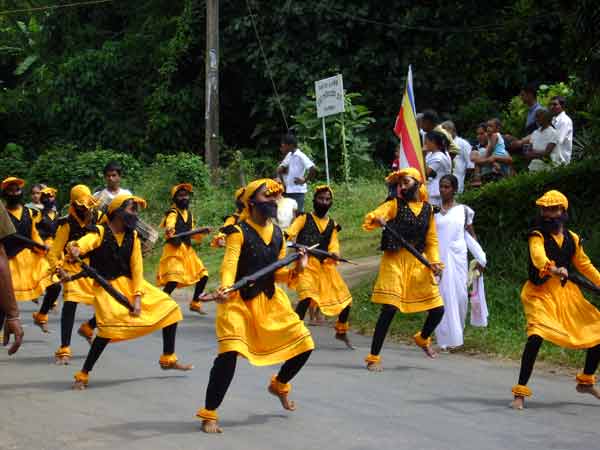
Sri Lankan dance traditions are tied to ancient practices, stemming from rituals and religious ceremonies. These dances initially served as spiritual expressions or rituals performed to appease deities and ward off evil spirits. They also played a role in healing ceremonies, connecting deeply with Sri Lankan folklore and mythology.
Three main dance styles dominate Sri Lanka’s traditional dance landscape:
Each style is distinguished by unique movements, costumes, and musical accompaniments, allowing spectators to experience diverse facets of Sri Lankan culture.
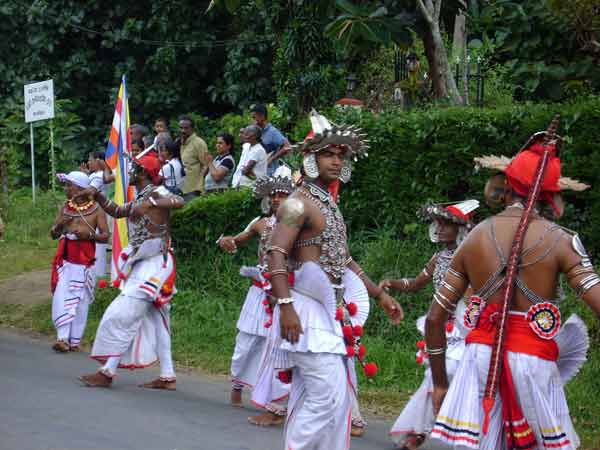
Kandyan dance, the most celebrated form of Sri Lankan traditional dance, originates from the hill country and is characterized by its majestic and vibrant movements. Legend suggests that this dance style developed in the 4th century when a dance troupe from India arrived to perform for a Sinhala king to exorcise evil spirits.
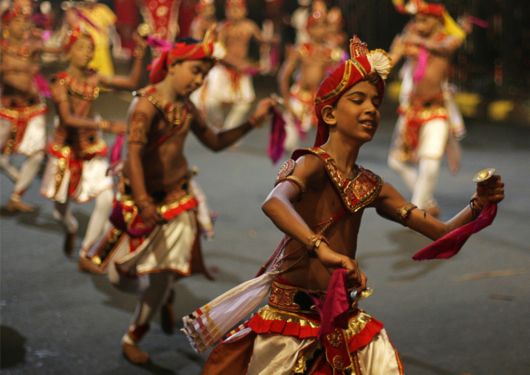
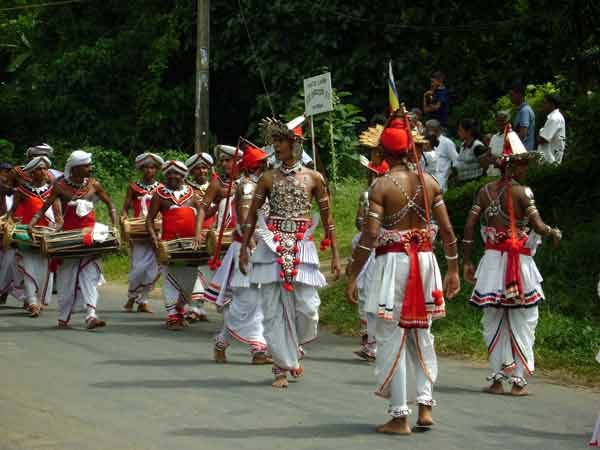
Kandyan dance is commonly featured in religious ceremonies and festivals, especially during the Esala Perahera in Kandy, which is Sri Lanka’s grandest cultural festival. Dancers perform wearing elaborate costumes with headdresses, breastplates, and ankle bells, moving gracefully to the beats of traditional drums, including the geta bera (a unique Kandyan drum).
Where to Experience Kandyan Dance:
Low Country dance, rooted in Sri Lanka’s coastal regions, is rich in ritualistic meaning and is often performed to drive away evil spirits. Known as Pahatharata Natum, these dances typically involve elaborate masks and a hypnotic rhythm, creating an intense visual experience.
The Kolam and Raksha dances are two prominent forms of Low Country dance:
Low Country dances are used in rituals such as the Devol Maduwa, a folk play performed to please the gods, and Gammaduwa, an offering to deities for a prosperous harvest.
Where to Experience Low Country Dance:
Sabaragamuwa dance, though lesser-known than the Kandyan or Low Country styles, holds an essential place in Sri Lankan culture. It originated in the Sabaragamuwa Province and is often performed in ceremonies honoring gods and local deities, particularly God Saman, a deity venerated by the Sinhalese people.
Sabaragamuwa dance includes ritualistic performances used in healing ceremonies, and the movements are notably rhythmic and intense, reflecting the powerful nature of the region’s deities. Unlike Kandyan dance, the costumes in Sabaragamuwa dance are relatively simple, yet each element, from the fabric to the accessories, is chosen to evoke spirituality and reverence.
Where to Experience Sabaragamuwa Dance:
Sri Lanka celebrates its dance heritage with numerous festivals and events throughout the year. These festivals offer visitors a unique opportunity to witness traditional dances in their cultural context:
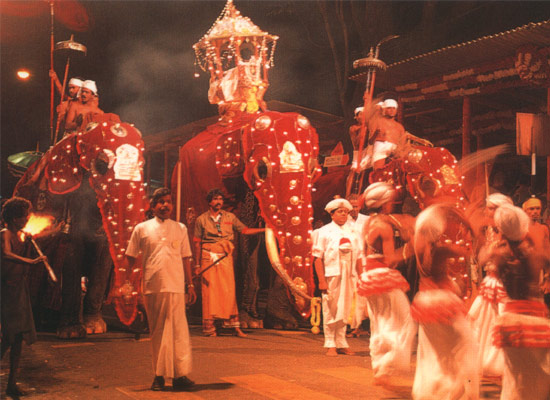
Esala Perahera - Held in July or August in Kandy, this festival is a grand procession featuring Kandyan dancers, fire jugglers, whip-crackers, and elephants adorned in colorful attire. It’s a cultural spectacle that celebrates the Sacred Tooth Relic of Buddha.
Aluth Avurudu (New Year Festival) - Celebrated in April, the Sri Lankan New Year festival includes traditional dance performances across the country. Cities like Colombo, Galle, and Kandy host New Year celebrations that showcase a variety of dance forms.
Poson Poya - Observed in June, this religious festival commemorates the arrival of Buddhism in Sri Lanka. Traditional dances are performed at various temples and pilgrimage sites, especially in Anuradhapura and Mihintale.
Kataragama Festival - Held in July, this festival in the southern town of Kataragama features Low Country dances and rituals honoring the deity Kataragama, drawing both locals and international visitors.
To fully immerse in the world of Sri Lankan traditional dance, here’s a suggested itinerary:
The cultural value of traditional dance in Sri Lanka cannot be overstated. In recent years, there has been a push to preserve these dance forms, with organizations and cultural bodies working to ensure that the younger generations appreciate and learn these ancient traditions. Dance schools across the country, particularly in Kandy and Colombo, offer training to budding dancers, and international collaborations have also helped bring Sri Lankan dance forms to global audiences.
Ancient Cities
National Parks
Popular Beaches
2024 sri-lanka.asia , All rights reserved [ Sri Lanka Asia Travel & Tourism Foundation ] | Terms and Conditions | Privacy Policy | Disclaimer | Instagram | Linkedin