The Kandy Perahera: Sri Lanka’s Majestic Festival of Faith and Culture
The Kandy Esala Perahera, or simply the Kandy Perahera, is one of Sri Lanka’s grandest and most visually stunning festivals. Held annually in the hill city of Kandy, this centuries-old event brings together religious reverence, vibrant cultural traditions, and thousands of spectators from around the world. Celebrated in honor of the Sacred Tooth Relic of Lord Buddha, the Perahera fills the streets of Kandy with a captivating procession of elaborately decorated elephants, traditional dancers, drummers, and fire performers, creating an atmosphere of wonder and devotion.
The roots of the Kandy Perahera trace back to the arrival of the Sacred Tooth Relic of Buddha in Sri Lanka in the 4th century. Considered a symbol of sovereignty, the Tooth Relic has historically been linked with the governance and protection of the island. Recognizing its cultural and spiritual importance, King Kirti Sri Rajasinghe, who ruled in the 18th century, began the tradition of holding the Perahera to honor the Tooth Relic and seek blessings for a bountiful harvest.
The term “Perahera” itself means “procession,” and it showcases a blend of Buddhist and Hindu elements, merging cultural and religious significance. This grand event also acknowledges the guardian deities of Sri Lanka, especially the four deities: Natha, Vishnu, Kataragama, and Pattini. The Perahera, thus, serves as both a religious ritual and a celebration of Sri Lankan cultural heritage.
From the intricate costumes to the carefully choreographed performances, each element of the Perahera contributes to its grandeur. The festival is typically held in July or August, during the Esala full moon, and spans over ten days. Here are some of the central highlights that captivate spectators and embody the spirit of the Perahera.
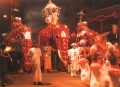
The Perahera’s most iconic feature is its array of beautifully adorned elephants. Each elephant is dressed in richly embroidered garments and adorned with ornaments, creating a breathtaking visual display. The most revered of all is the “Maligawa Tusker,” the elephant selected to carry the Sacred Tooth Relic’s casket, known as the “Karanduwa.” This casket, though not containing the Tooth Relic itself during the procession, represents its spiritual significance.
The elephants’ majestic presence is heightened by the flickering of torches, highlighting their grandeur and giving the procession a mystical glow that contrasts with the evening sky.
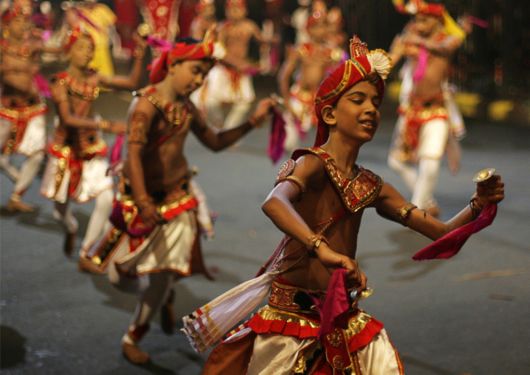
The Perahera showcases a variety of Sri Lanka’s traditional dances, which include “Kandyan” and “low country” styles. These dancers, with their elaborate headdresses and colorful costumes, bring energy and rhythm to the streets. Each step and gesture is steeped in symbolism, intended to honor the Tooth Relic and entertain the crowd.
Drummers are a vital part of the procession, using their fast-paced, energetic rhythms to maintain the procession’s intensity. Their powerful drumming echoes throughout Kandy, amplifying the festival’s energy and offering a uniquely Sri Lankan soundscape.
A team of fire performers adds an element of excitement to the Perahera, spinning and juggling fire torches, while fireballs illuminate the procession route. These performers often work in groups, choreographing their movements to the drummers’ beats.
Leading the procession, the whip crackers create a rhythm of loud cracks, symbolizing the cleansing of the path for the Sacred Tooth Relic. Their performance is as thrilling as it is symbolic, captivating audiences with their precision and skill.
The Water Cutting Ceremony, or “Diya Kepeema,” marks the conclusion of the Kandy Perahera. Held at the Mahaweli River, this ritual symbolizes the division of water and the dispelling of evil spirits. The chief priests of the temples involved in the procession conduct this sacred ceremony in the early hours of the final day, ensuring a purified path for the next year’s Perahera.
The Kandy Perahera spans ten days, with each day featuring processions that build in size and grandeur. Here’s a look at the general structure and itinerary of the festival.
The festival begins with the Kumbal Perahera, a series of smaller processions designed to warm up the event. During these first five nights, each of the four temples housing the guardian deities holds its own procession, followed by the Temple of the Tooth. The elephants and performers gradually increase in number, and the crowds begin to grow as anticipation builds.
The Randoli Perahera, the more elaborate stage of the festival, fills the last five days with a grand display. The number of dancers, drummers, and elephants continues to increase, reaching its peak on the final night. The highlight of this segment is the grand procession of the Sacred Tooth Relic’s casket, illuminated by hundreds of torches and surrounded by waves of dancers, musicians, and devotees.
The Maha Randoli Perahera, the grandest of all processions, occurs on the last night. This final parade sees the largest gathering of elephants, dancers, and musicians, filling the streets with an unparalleled display of color, sound, and spirituality. The streets of Kandy are packed with local and international spectators who come to witness this iconic event.
The following morning, the Water Cutting Ceremony takes place at the Mahaweli River, marking the end of the Perahera. This ceremonial ritual is private, attended primarily by the participating temple authorities. Afterward, the relic casket is ceremonially returned to the Temple of the Tooth.
Attending the Kandy Perahera offers a rich and immersive experience for visitors. Here’s what you can expect:
Viewing the Procession from Reserved Seats or Public Viewing Areas
While some travelers prefer the comfort of reserved seating, there are also free public viewing areas. Reserved seats offer a better view, especially on the final nights, but both options allow you to feel the festive energy as elephants, dancers, and drummers pass by.
Connecting with Local Culture
Being among the crowd of Sri Lankan families, pilgrims, and tourists allows visitors to experience the warmth of local hospitality. Many families share food and stories, and you may even witness locals praying and performing rituals, showcasing the profound cultural and spiritual significance of the Perahera.
Photography Opportunities
The Kandy Perahera offers photographers a unique opportunity to capture vibrant colors, stunning costumes, and illuminated elephants. Remember, however, to respect the sacred elements of the procession and be mindful of the festival’s spiritual importance.
A visit to the Kandy Perahera can be complemented by exploring some of Kandy’s iconic landmarks and nearby attractions:
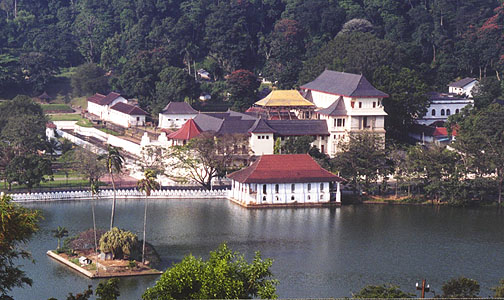
Since the Temple of the Tooth is central to the Perahera, visiting it offers insight into the festival’s spiritual foundation. This temple is one of Buddhism’s holiest sites, and its intricate architecture and history make it a must-visit.
Take a scenic walk around Kandy Lake, located just outside the Temple of the Tooth. For those interested in nature, the Udawattakele Forest Reserve is nearby, offering a tranquil escape with hiking trails and opportunities for birdwatching.
Just a short drive from Kandy, the Peradeniya Botanical Gardens boast a vast collection of exotic flora. With its carefully landscaped gardens, towering trees, and colorful orchids, it’s an ideal stop for nature enthusiasts.
For travelers looking to extend their adventure, a trek through the Knuckles Mountain Range offers breathtaking views, waterfalls, and lush forests. Sri Lanka’s famous tea plantations are also within reach, allowing visitors to explore tea estates, learn about tea production, and enjoy panoramic vistas of the hill country.

Ancient Cities
National Parks
Popular Beaches
2024 sri-lanka.asia , All rights reserved [ Sri Lanka Asia Travel & Tourism Foundation ] | Terms and Conditions | Privacy Policy | Disclaimer | Instagram | Linkedin