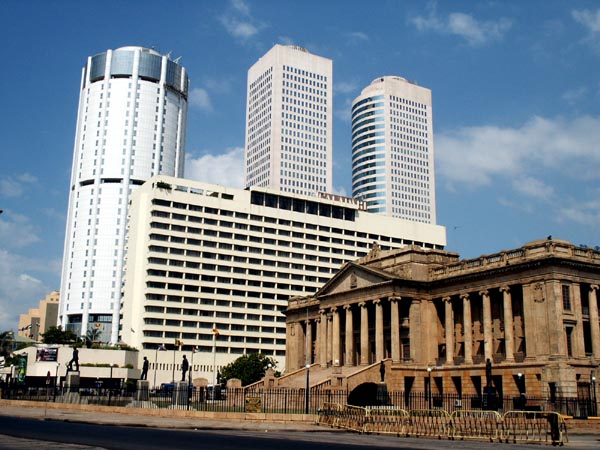
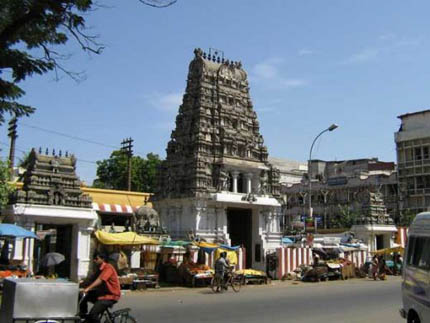
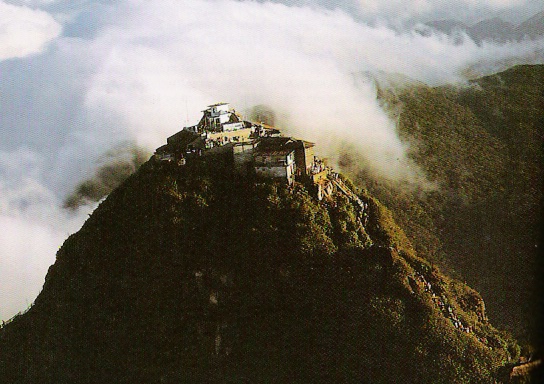
Among all the cities in Sri Lanka, Colombo is the largest one. It is also recognized as the commercial capital of Sri Lanka. The administrative city of this country is Sri Jayawardenepura Kotte situated near Colombo. Many of the cities in Sri Lanka are popular as important tourist destinations.
Colombo has a vibrant city life and is one of the busiest cities in Sri Lanka. Due to the strategic position of the harbor in Colombo, it became an important center of trade and commerce. Under the British rule it became the capital of Sri Lanka but in 1978 the administrative powers of Colombo was shifted to Sri Jayawardenepura Kotte.
The city of Kandy was founded by King Wickramabahu III. The rich heritage and culture of Sri Lanka is evident from the different historical structures in this city. A number of tourist attractions are also located here.
Jaffna is also known as Yazhpanam. This city is mainly resided by the Sri Lankan Tamils. During an ethnic conflict in this country, the Muslim residents were forced to vacate this city in the 1990s.
The capital of southern province is the city of Galle. The historical structures remind of the bygone colonial rule in this city. The Unawatuna beach is a famous nearby tourist attraction of Galle.
Exploring Sri Lanka’s Main Cities: Vibrant Destinations, Cultural Gems, and Unforgettable Experiences
Sri Lanka, known as the “Pearl of the Indian Ocean,” offers a mosaic of cultures, landscapes, and traditions across its cities. Each city has a unique character, shaped by centuries of history, vibrant local life, and a variety of attractions that draw in visitors from all over the world. From the bustling capital of Colombo to the historic city of Kandy and the serene beauty of Nuwara Eliya, Sri Lanka’s cities offer an enriching experience that combines heritage, culture, and scenic beauty. Here’s a guide to some of Sri Lanka’s main cities, along with highlights, recommended itineraries, and ways to experience them at ground level.
1. Colombo – The Dynamic Capital
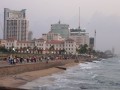
Sri Lanka’s commercial capital, Colombo, is a lively blend of modernity and history, with skyscrapers towering beside colonial-era buildings. Known for its vibrant arts scene, shopping, and a wide array of dining options, Colombo serves as a gateway to the rest of the island.
Top Attractions
- Galle Face Green: This oceanside promenade is popular for evening strolls, street food, and scenic sunsets. It’s a great spot to relax and mingle with locals.
- National Museum: As the oldest museum in the country, it houses an impressive collection of artifacts, including relics from ancient kingdoms and colonial times.
- Pettah Market: A bustling market area filled with shops, stalls, and vendors selling everything from textiles to spices.
Itinerary Suggestion
- Morning: Start with a visit to the National Museum and explore the colonial-era architecture around the Cinnamon Gardens.
- Afternoon: Head to Pettah Market for shopping and a taste of local life, followed by lunch at a traditional Sri Lankan restaurant.
- Evening: Enjoy a stroll along Galle Face Green, where you can sample street food and watch the sunset over the Indian Ocean.
2. Kandy – The Cultural Capital
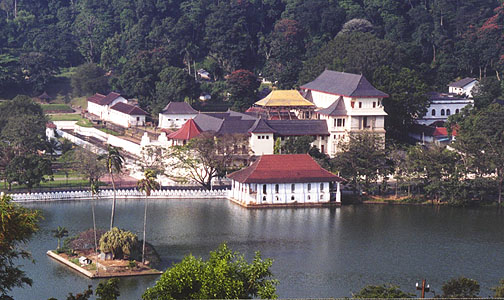
Nestled among hills and lush greenery, Kandy is home to the revered Temple of the Sacred Tooth Relic and is a UNESCO World Heritage site. As the last kingdom to fall to colonial powers, Kandy retains a rich sense of history and spiritual heritage.
Top Attractions
- Temple of the Sacred Tooth Relic: The most important Buddhist shrine in Sri Lanka, said to house a tooth of the Buddha.
- Kandy Lake: A tranquil spot for walks and boating, surrounded by scenic hills.
- Royal Botanical Gardens: Known for its extensive collection of orchids and tropical flora, the gardens offer a relaxing retreat just outside the city.
Itinerary Suggestion
- Day 1: Visit the Temple of the Sacred Tooth Relic, followed by a walk around Kandy Lake. In the evening, enjoy a traditional Kandyan dance performance.
- Day 2: Explore the Royal Botanical Gardens and then visit the Kandy City Center for some shopping and local delicacies.
3. Galle – A Colonial Gem on the Coast
Galle is renowned for its historic fort, built by the Portuguese and later expanded by the Dutch. Today, Galle Fort is a UNESCO World Heritage site filled with boutique shops, cafes, and well-preserved colonial architecture.
Top Attractions
- Galle Fort: Explore the fort’s walls, bastions, and quaint streets, where colonial history merges with local culture.
- Galle Lighthouse: Located within the fort, this lighthouse offers a stunning view of the coastline and the fort’s architecture.
- Unawatuna Beach: Just a short drive from the city, this beach is perfect for relaxation and water activities.
Itinerary Suggestion
- Morning: Start with a walking tour of Galle Fort, visiting the fort’s historical sites and the Maritime Museum.
- Afternoon: Head to Unawatuna Beach for swimming, sunbathing, or snorkeling.
- Evening: Return to Galle Fort for dinner at a local restaurant, where you can enjoy a mix of Sri Lankan and international cuisine.
4. Jaffna – Cultural Heart of the North
As the cultural hub for Sri Lanka’s Tamil population, Jaffna offers a unique blend of Hindu temples, colonial history, and a slower pace of life. Jaffna is a city of resilience, having overcome years of conflict, and is now open to travelers eager to explore its traditions and landmarks.
Top Attractions
- Nallur Kandaswamy Kovil: A major Hindu temple known for its grand architecture and vibrant festivals.
- Jaffna Fort: A colonial-era fort offering scenic views of the surrounding lagoon.
- Casuarina Beach: One of the most popular beaches in the region, known for its tranquil atmosphere.
Itinerary Suggestion
- Day 1: Visit Jaffna Fort and explore the city’s colonial architecture. In the evening, attend a prayer ceremony at Nallur Kovil.
- Day 2: Take a day trip to Nainativu Island, home to Nagadeepa Viharaya and Nagapooshani Amman Temple.
5. Nuwara Eliya – The “Little England” of Sri Lanka
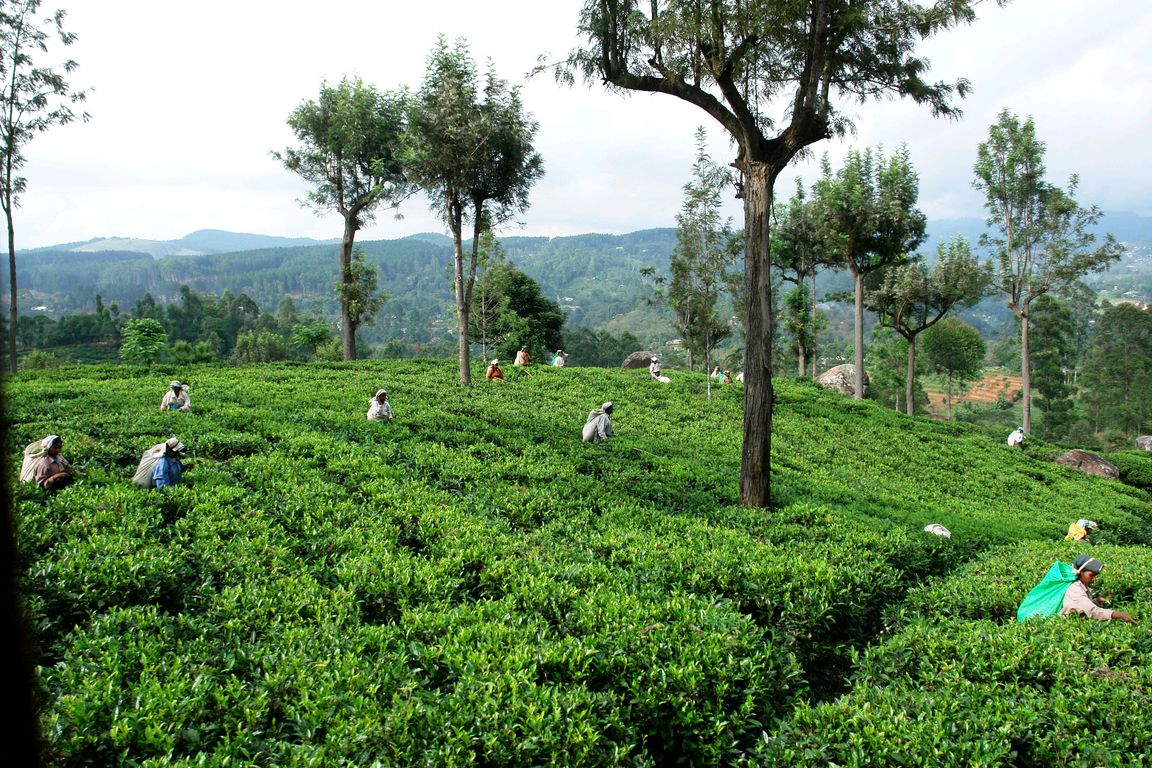
With its cool climate and rolling tea plantations, Nuwara Eliya is a favorite retreat for both locals and tourists. Known for its British colonial architecture, the city offers picturesque landscapes and a unique highland culture.
Top Attractions
- Tea Plantations: Nuwara Eliya is famous for its tea, and tours of local plantations allow visitors to learn about tea production and enjoy scenic views.
- Horton Plains National Park: A UNESCO site offering hiking trails, including the famous World’s End viewpoint.
- Victoria Park: A well-maintained park ideal for leisurely walks and birdwatching.
Itinerary Suggestion
- Morning: Begin with a tour of a tea plantation, followed by tea tasting.
- Afternoon: Hike to World’s End in Horton Plains National Park, then relax at Victoria Park in the evening.
6. Anuradhapura – Ancient City of Kings
Anuradhapura, one of the island’s ancient capitals, is a sacred city for Buddhists and boasts a wealth of archaeological sites. Known for its ancient stupas, monastic ruins, and sacred trees, Anuradhapura offers a glimpse into the island’s early civilizations.
Top Attractions
- Sri Maha Bodhi Tree: This sacred tree is said to be a cutting from the tree under which the Buddha attained enlightenment.
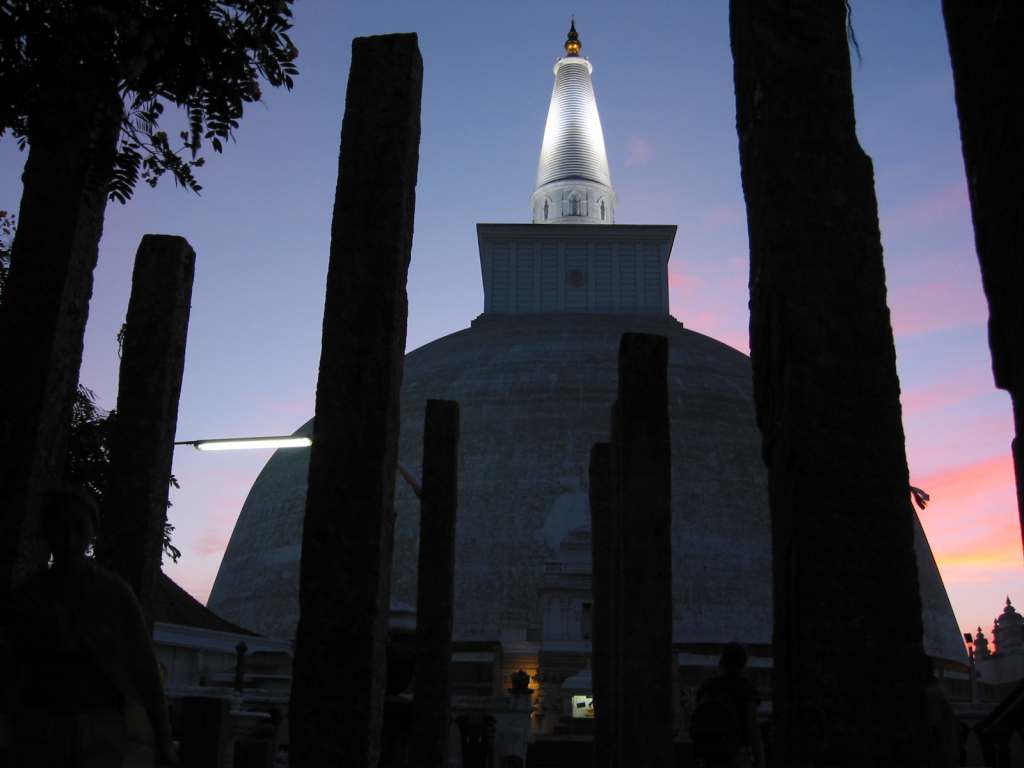
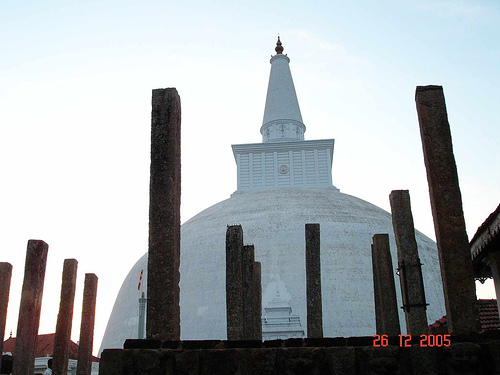
- Ruwanwelisaya Stupa: A magnificent white stupa, one of the most revered structures in Anuradhapura.
- Isurumuniya Temple: Known for its beautiful carvings and serene atmosphere.
Itinerary Suggestion
- Day 1: Explore the Sri Maha Bodhi Tree and the Ruwanwelisaya Stupa. Spend time learning about the religious significance of these monuments.
- Day 2: Visit Isurumuniya Temple and the Kuttam Pokuna bathing pools, ancient water reservoirs used by monks.
7. Trincomalee – Coastal Beauty and Sacred Sites
Trincomalee, located on the eastern coast, is famous for its natural harbor, beautiful beaches, and cultural diversity. With a mix of Hindu temples, Buddhist sites, and colonial influences, Trincomalee is a unique destination that combines beach relaxation with cultural exploration.
Top Attractions
- Nilaveli and Uppuveli Beaches: Known for their pristine waters and coral reefs, these beaches are perfect for diving, snorkeling, and relaxation.
- Koneswaram Temple: An ancient Hindu temple perched on a cliff, offering panoramic views of the ocean.
- Pigeon Island: A marine sanctuary ideal for snorkeling and exploring the vibrant underwater life.
Itinerary Suggestion
- Day 1: Start with a visit to Koneswaram Temple, then head to Nilaveli Beach for a relaxing afternoon.
- Day 2: Take a snorkeling or diving trip to Pigeon Island, followed by dinner at a beachside restaurant in Uppuveli.
8. Negombo – Gateway to the Western Coast
Negombo, located just north of Colombo, is a coastal city known for its fishing industry, Portuguese heritage, and beautiful lagoon. It’s a convenient stopover for travelers arriving or departing from Bandaranaike International Airport and offers a peaceful beach experience close to the capital.
Top Attractions
- Negombo Beach: Popular for its golden sands, lively atmosphere, and water sports.
- Dutch Canal: An old canal built by the Dutch, which now serves as a scenic route for boat tours.
- St. Mary’s Church: A significant Catholic church reflecting the city’s Christian heritage.
Itinerary Suggestion
- Morning: Take a boat tour along the Dutch Canal to see local fishing communities and mangroves.
- Afternoon: Relax on Negombo Beach, enjoying seafood from nearby restaurants.
- Evening: Visit St. Mary’s Church, especially beautiful when lit up in the evening.
Practical Tips for Exploring Sri Lanka’s Cities
- Local Transportation: Tuk-tuks are widely available and offer a convenient way to navigate city streets, especially in Colombo, Kandy, and Galle.
- Respect Religious Sites: Many sites, especially temples and stupas, require modest dress. Removing shoes and covering shoulders and knees is customary.
- Best Time to Visit: The peak tourist season is generally from December to April when the weather is more favorable.