Industrial Trade

Industrial Trade
The economy of the country is no longer limited to domestic agricultural activities but it has shifted to become a part of the international market. A major part of the Sri Lankan population is engaged in agriculture, animal husbandry and fishing whereas another part of the population is engaged in factory production. A certain part of the population also comprises the unskilled labor whereas many seek their career in accounting, sales, medicine, law, services etc.
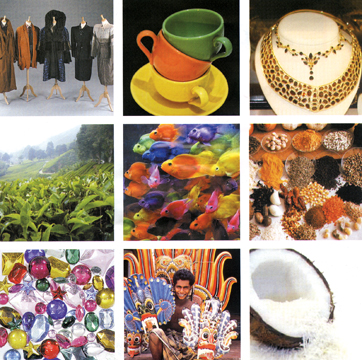
The major industries in Sri Lanka comprise both agricultural activities as well as manufacturing. The main agricultural products are rice, grain and coconut. Tea and rubber plantation are major source of economy of Sri Lanka. The manufacturing industry comprises the textile manufacturing, tobacco, beverage and food processing. The heavy industry of Sri Lanka is involved with cement, tire, steel manufacturing and also with mining, oil refining etc.
In Sri Lanka industrial activities also comprise energy production, construction and transportation. Tourism is one of the major industries of Sri Lanka. The several sea beaches, archeological sites, wildlife sanctuaries and different places of interest attract tourists from different parts of the world.
Sri Lanka is a noted global exporter of rubber, tea, coconut products and gems. Sri Lanka mainly imports metals, food stuff, chemicals, pharmaceuticals, machinery equipments etc from other countries.

Sri Lanka’s Industrial Trade: A Journey Through Export Sectors, Trade Hubs, and Local Craftsmanship

Sri Lanka, strategically located in the Indian Ocean, has developed a robust industrial and trade sector that plays a key role in its economy. Known for its rich cultural heritage and natural beauty, Sri Lanka is also a growing hub for industries such as apparel manufacturing, tea production, rubber processing, and IT services. The country’s trade ecosystem is both diverse and dynamic, with export products reaching markets worldwide. For travelers interested in experiencing the country’s industrial side, Sri Lanka offers unique opportunities to witness the production of some of its key exports and to explore areas deeply connected to local craftsmanship and global trade.

In this article, we’ll explore Sri Lanka’s major export industries, visit key trade hubs, and highlight itineraries where travelers can engage with the island’s thriving industrial and trade sectors.


1. Overview of Sri Lanka’s Industrial Sector and Economy

Sri Lanka’s industrial sector comprises several major export-driven industries, including apparel, tea, rubber, coconut products, and electronics. Together, these industries make up a significant portion of the country’s GDP and provide employment for a large segment of the population. The government has implemented trade-friendly policies to attract foreign investment and boost export capacity, making Sri Lanka a promising destination for both business and tourism.

Some of the largest industries by export value include:

  • Apparel and Textiles: Representing more than 40% of Sri Lanka’s total exports, the garment sector is a vital industry.
  • Tea: Sri Lanka is one of the largest tea exporters in the world, known for its premium “Ceylon Tea.”
  • Rubber and Rubber Products: Sri Lanka has a history of producing high-quality rubber, used in both industrial and consumer products.
  • Coconut Products: From desiccated coconut to coconut oil, Sri Lanka exports various products derived from coconuts, capitalizing on the island’s tropical climate.
  • IT and Business Process Outsourcing (BPO): In recent years, Sri Lanka has emerged as a growing IT hub with BPO services catering to clients globally.

2. Key Industrial and Trade Hubs

Several cities and regions in Sri Lanka serve as centers of production and trade, where visitors can gain insights into the country’s industrial processes, heritage, and economic contributions.

a) Colombo – The Commercial Capital

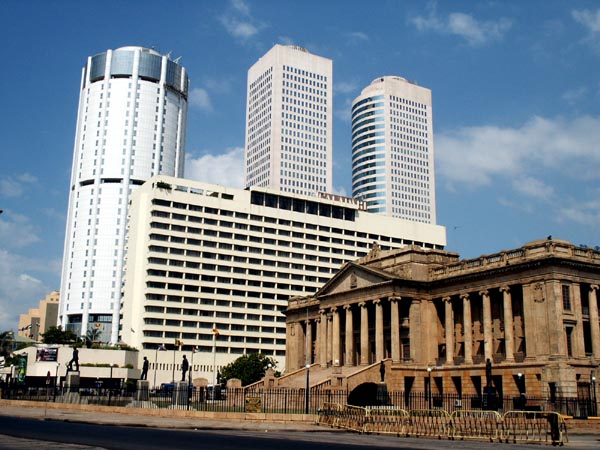
As Sri Lanka’s largest city and main port, Colombo is the country’s trade and commercial center. The Colombo Port is one of South Asia’s busiest, with facilities that handle millions of tons of cargo each year. Colombo is home to numerous export companies, and many international businesses have regional headquarters here.

Things to Experience in Colombo:

  • Colombo Port and Harbour Tour: Some tour companies offer organized visits to the Colombo Port, giving visitors a glimpse into one of South Asia’s primary trade gateways.
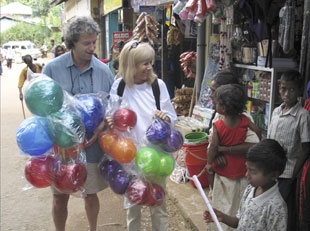
  • Pettah Wholesale Market: For an authentic local experience, visit the Pettah Market, a bustling hub where traders sell everything from spices and fabrics to electronics and industrial goods.

b) Kandy – The Center of Traditional Crafts and Tea Trade

While Kandy is known for its cultural heritage, it is also a prominent center for Sri Lanka’s tea trade. Many tea factories are located in the surrounding hill country, where visitors can learn about tea production from cultivation to export.

Things to Experience in Kandy:

  • Tea Factory Tours: Numerous tea factories around Kandy, such as the Ceylon Tea Museum, offer guided tours that cover the entire tea-making process.
  • Handicraft Centers: Kandy is known for its traditional crafts, such as wood carving, batik printing, and brasswork. Local artisans create beautiful souvenirs that reflect Sri Lankan heritage.

c) Ratnapura – The Gem Trade Capital

Ratnapura, known as the “City of Gems,” is Sri Lanka’s center for gemstone mining and trade. The region is famous for producing high-quality sapphires, rubies, and other precious stones.

Things to Experience in Ratnapura:

  • Gem Mining Tours: Several operators in Ratnapura offer guided tours of gemstone mines, where visitors can see the extraction process and learn about the history of gem mining in Sri Lanka.
  • Gem Museum and Showrooms: Ratnapura is home to numerous gem showrooms and museums that showcase Sri Lanka’s unique gemstones and jewelry designs.

d) Galle – The Hub for Rubber and Coconut Exports

Galle, a historic port city, has long been involved in Sri Lanka’s trade activities, particularly for rubber and coconut products. Many rubber and coconut processing factories are based around Galle and nearby towns.

Things to Experience in Galle:

  • Coconut Product Factories: Visitors can tour factories where coconut oil, desiccated coconut, and coir products are made.
  • Historic Galle Fort: Explore the UNESCO-listed Galle Fort, a colonial-era site that played a significant role in Sri Lanka’s trade history.

3. Major Export Industries to Discover

a) Apparel and Textile Industry

Sri Lanka’s apparel sector is known for its high-quality garments, which are exported to global brands in the US, Europe, and Asia. The industry emphasizes ethical manufacturing practices, with a focus on sustainable and eco-friendly production.

Experiential Highlights:

  • Katunayake Export Processing Zone (EPZ): Located near the Bandaranaike International Airport, the Katunayake EPZ is home to many apparel factories that offer tours showcasing the manufacturing processes.
  • Ethically-Made Clothing Stores: Many stores across Colombo and Kandy sell ethically made apparel from Sri Lanka, where visitors can purchase sustainably produced garments.

b) Tea Industry

Sri Lanka’s tea industry is legendary, and Ceylon Tea is synonymous with quality worldwide. The cooler hill country climate, especially in regions like Nuwara Eliya and Ella, provides ideal conditions for tea plantations.

Experiential Highlights:

  • Tea Plantation Tours: Many plantations in the central highlands offer guided tours, where travelers can learn about tea growing, plucking, and processing. Some even offer tea tastings.
  • Tea Plucking Experience: Some tea estates allow visitors to participate in tea plucking with local workers, providing a hands-on understanding of the labor-intensive process.

c) Rubber Industry

Sri Lanka produces various types of rubber products, including tires, gloves, and industrial rubber goods. The industry is concentrated in the central and southern parts of the island.

Experiential Highlights:

  • Rubber Plantations and Processing Tours: Around Kalutara and Kegalle, there are opportunities to visit rubber plantations and see the tapping and processing of rubber.

d) Gemstone and Jewelry Industry

Sri Lanka’s gemstone industry, centered in Ratnapura, is famous for its high-quality sapphires and other precious stones. This industry has a deep-rooted history and remains a vital part of Sri Lanka’s export economy.

Experiential Highlights:

  • Gem Cutting and Polishing Workshops: In Ratnapura, visitors can watch skilled artisans cutting and polishing gemstones, an intricate process that enhances the stones' value.
  • Purchase Genuine Sri Lankan Gems: Numerous authorized gem shops and jewelry stores in Colombo and Ratnapura sell certified Sri Lankan gemstones, making for memorable souvenirs.

4. Sample Itineraries for Exploring Sri Lanka’s Trade and Industry


7-Day Industrial and Cultural Tour

  • Day 1 - Colombo: Begin in Colombo with a visit to the Pettah Market, Colombo Port, and a factory tour in the Katunayake EPZ to understand Sri Lanka’s garment industry.

  • Days 2-3 - Kandy: Head to Kandy to explore the tea plantations and the Ceylon Tea Museum. Visit local craft shops for a glimpse into traditional industries.

  • Day 4 - Ratnapura: Travel to Ratnapura for a gem mining tour and a visit to gem museums and showrooms.

  • Days 5-6 - Galle: Discover Galle’s historical Galle Fort, tour rubber and coconut product factories, and learn about Sri Lanka’s trade history.

  • Day 7 - Return to Colombo: Spend the final day in Colombo shopping for local crafts and products, including apparel, tea, and gems.

10-Day Tea and Trade Route Tour

  • Day 1 - Colombo: Begin with a comprehensive tour of Colombo’s Pettah Market, Colombo Port, and textile factories.

  • Days 2-4 - Nuwara Eliya and Ella: Journey to the tea-growing regions to visit tea plantations, participate in tea plucking, and enjoy scenic views.

  • Days 5-6 - Ratnapura: Visit Ratnapura for a gem mining experience and see how Sri Lanka’s gemstones are mined and polished.

  • Days 7-8 - Galle and Matara: Head to the southern coast to explore Galle Fort, rubber plantations, and coconut product processing.

  • Days 9-10 - Negombo: Finish in Negombo with a tour of local coconut-based products and a visit to the fish market for an understanding of Sri Lanka’s fishing industry.


5. Practical Tips for Travelers Exploring Sri Lanka’s Industrial Side
  • Arrange Guided Tours: Some factories and trade facilities require advance booking for tours, especially those in the Katunayake EPZ and tea estates. Arrange guided tours through authorized tour operators.
  • Respect Safety Protocols: Industrial sites may have safety protocols, so it’s important to follow instructions and adhere to guidelines during visits.
logo

2024 sri-lanka.asia , All rights reserved [ Sri Lanka Asia Travel & Tourism Foundation ] | Terms and Conditions | Privacy Policy | Disclaimer | Instagram | Linkedin