Exploring Sri Lanka’s Exports – The Heart of the Island’s Economy
Sri Lanka is a country that has long been known for its rich natural resources, unique cultural heritage, and diverse industries. Among its many economic pillars, exports play a significant role in sustaining the island's economy. From tea and garments to spices and gemstones, Sri Lanka's export sector is varied, with products that are not only highly sought after but also steeped in history and tradition.
For those interested in understanding Sri Lanka’s global economic influence, exploring the country’s major exports offers an opportunity to engage with local industries, visit key production hubs, and gain insight into the traditional methods of craftsmanship. This article will explore some of Sri Lanka's top exports, the industries behind them, and how travelers can experience these sectors firsthand.
Sri Lanka’s exports are diverse, driven by its agricultural, industrial, and services sectors. These exports have shaped the country’s economic landscape, generating significant foreign exchange and creating jobs for millions of Sri Lankans. Below are the main export sectors that define Sri Lanka’s economy.
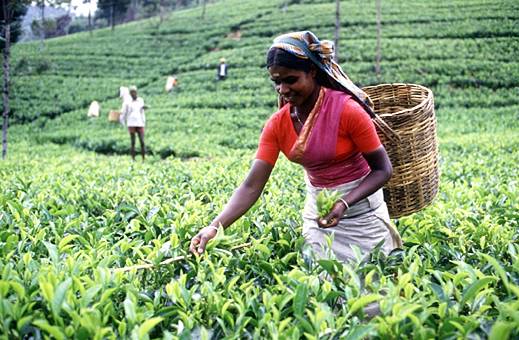
Sri Lanka is world-renowned for its tea production, and tea remains the island’s largest export. The country is the fourth-largest producer of tea globally, with a rich tradition of cultivation in its central highlands. Sri Lankan tea is known for its distinct flavor, aroma, and quality, making it a favorite among tea drinkers worldwide.
Tea production in Sri Lanka is a family affair for many, with smallholder farms and large estates located in regions like Nuwara Eliya, Kandy, Uva, and Kegalle. These tea plantations benefit from the island's unique climate and fertile soils, which create the perfect conditions for growing high-quality tea. The island’s expertise in tea cultivation, combined with skilled craftsmanship in tea processing, has made Sri Lanka's tea a symbol of global excellence.
Visitors to Sri Lanka can tour tea plantations, visit processing factories, and even participate in tea-plucking activities. Many tea estates offer hands-on experiences where travelers can learn about the production process from start to finish and enjoy tastings of freshly brewed Ceylon tea.
The garment industry is another vital sector driving Sri Lanka’s export economy. The country has earned a reputation for high-quality garments and textiles, particularly in the production of ready-made garments (RMG), which constitute the majority of Sri Lanka’s exports in this category. Known for ethical manufacturing practices, Sri Lankan factories are often recognized for maintaining international labor standards and promoting sustainable and eco-friendly production methods.
Sri Lanka’s garment exports include clothing for men, women, and children, with major brands from around the world sourcing their apparel from Sri Lankan manufacturers. Key export destinations for Sri Lanka’s garments include the United States, the European Union, and the Middle East.
Travelers interested in the garment industry can visit some of the factories that operate in cities like Colombo, Kandy, and Galle. There, they can witness the intricate processes involved in garment design, cutting, stitching, and packaging, as well as learn about the ethical practices that distinguish Sri Lankan garments in the global market.
Sri Lanka has been known as the “Spice Island” for centuries, and its spice trade has played an integral role in the country’s economy and cultural heritage. The country is a leading exporter of high-quality spices such as cinnamon, pepper, cardamom, cloves, nutmeg, and vanilla. Among these, Ceylon cinnamon is considered the finest in the world and is a major export item.
Sri Lanka’s spice plantations, particularly in regions like Matale, Kandy, and Colombo, produce some of the most aromatic and flavorful spices, which are sought after by chefs, food manufacturers, and natural medicine practitioners worldwide. Cinnamon, for instance, is exported to countries around the world for use in baking, cooking, and even in the pharmaceutical industry.
A visit to a spice garden is an essential experience for those interested in learning about the history and cultivation of Sri Lanka’s famous spices. These gardens provide guided tours where visitors can walk among spice plants, observe the harvesting process, and sample fresh spices. Many spice farms also offer workshops on cooking with Sri Lankan spices, enabling visitors to take home not only memories but also a unique culinary experience.
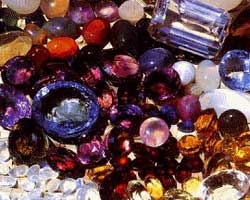
Sri Lanka is famous for its precious and semi-precious gemstones, which are mined throughout the island. The country is known for producing some of the world’s finest sapphires, as well as a variety of other gemstones, including rubies, emeralds, topaz, and garnets. Ratnapura, the “City of Gems,” is the hub for gem mining in Sri Lanka and is home to many gem shops, dealers, and craftsmen who sell Sri Lanka’s world-famous gems.
Sri Lanka’s gemstones are highly prized by collectors, jewelry makers, and investors, and the island’s gem industry has a history that dates back thousands of years. The mines in Sri Lanka are carefully regulated, and the country has developed an international reputation for responsible gem extraction and trade.
For travelers interested in Sri Lanka’s gemstone industry, visiting Ratnapura provides an up-close look at the mining process, where local miners extract gems using both traditional and modern techniques. Many gem dealers in Ratnapura offer visitors the chance to purchase high-quality gemstones directly from the source, making it an excellent destination for those seeking to invest in Sri Lankan gems.
Sri Lanka is one of the world’s leading exporters of coconut products, including copra (dried coconut flesh), coconut oil, desiccated coconut, and coir (coconut husk fiber). Coconuts are an integral part of Sri Lankan culture and cuisine, with the fruit being used in various forms for cooking, beauty products, and household goods.
Sri Lanka’s coconut plantations are found in the coastal regions, particularly in areas like the Western and Southern provinces. The country’s coconut industry supports a vast network of smallholder farmers, as well as large plantations, making it a significant source of employment and income for rural communities.
Visitors to Sri Lanka can explore coconut farms and watch the production process firsthand. Local tours often include demonstrations of how coconut oil is extracted and how coir is processed into products like ropes, mats, and brushes. These tours offer travelers an authentic look at how coconut products contribute to the local economy and the lives of people in Sri Lanka.
Rubber is another key export of Sri Lanka, with the country being one of the leading producers of natural rubber in the world. Rubber plantations can be found throughout the island, particularly in the Western and Sabaragamuwa provinces. The rubber industry in Sri Lanka is focused on producing high-quality latex, which is used in the manufacturing of tires, footwear, medical products, and a wide range of industrial goods.
The production process for rubber is fascinating, as it involves tapping rubber trees and processing the latex into sheets or other forms. Visitors can visit rubber plantations to see how the rubber is harvested, processed, and eventually turned into products that are shipped around the world.
Tea and Spice Tour
Gem and Craft Tour
Coconut and Rubber Experience

Ancient Cities
National Parks
Popular Beaches
2024 sri-lanka.asia , All rights reserved [ Sri Lanka Asia Travel & Tourism Foundation ] | Terms and Conditions | Privacy Policy | Disclaimer | Instagram | Linkedin