Herbal medicine or
ayurveda is referred as alternative medicine. The indigenous practice of curing ailments with herbal plants has started in Sri Lanka centuries back. The Ayurvedic tradition of Sri Lanka follows science of Unani medicine of Arabian countries and Siddha system of India. Desheeya Chikitsa - a traditional practice of ayurveda in Sri Lanka is still observed. Generally, the science of ayurvedic or herbal treatment is handed over from one generation to another for centuries. Sarartha Sangrahaya is an important book that is followed by physicians for herbal treatments.
In herbal treatments, plants with therapeutic value are used. Herbal treatments not only cure ailments but it also helps in promoting health and rejuvenating the body. For preparing herbal medicines, leaves, roots, bark, seeds of plants etc are used. Some of the plants that are used in herbal medicines in Sri Lanka are Inguru, Kalanduru, Beli, Kohomba, Pila, Bevila etc. One of the traditional drinks of Sri Lanka is its therapeutic herbal tea. Consumption of herbal tea promotes a good living. It is a natural drink devoid of caffeine.
In Sri Lanka there are a number of Ayurvedic health resorts where one can spend an enjoyable vacation and undergo pure herbal treatments. With herbal steam bath, herbal bath, ayurvedic body massage, ayurvedic leg massage, ayurvedic arm massage, head oil application etc one can feel rejuvenated.
Sri Lanka’s Herbal Heritage: An Immersive Guide to Ayurvedic Remedies, Herbal Gardens, and Wellness Tourism
Sri Lanka, often described as a paradise for wellness and natural remedies, has a long history of herbal medicine deeply embedded in the island’s culture. Known as "Hela Veda" or "Ayurveda," traditional medicine in Sri Lanka dates back over two thousand years and relies on local herbs, roots, and minerals found across the island. Visitors to Sri Lanka have the chance to explore this herbal tradition through scenic herbal gardens, Ayurvedic wellness centers, and local markets where a wide variety of natural remedies and herbal products are available.
This article serves as a guide for those interested in the island’s herbal heritage, providing insights into key attractions, experiential highlights, and sample itineraries that immerse travelers in the world of Sri Lankan herbs and natural healing practices.
1. Sri Lanka’s Herbal Heritage and Ayurveda Tradition
Ayurveda, the ancient healing science that originated in India, found its own unique expression in Sri Lanka, where indigenous plants were incorporated into treatments. Sri Lankan herbal medicine relies on a variety of local herbs such as gotu kola, cinnamon, turmeric, neem, and bacopa monnieri. These herbs are used to treat a broad range of conditions, from boosting immunity to improving digestion and enhancing skin health.
The therapeutic approach goes beyond physical health, with Ayurvedic practices emphasizing mental and spiritual well-being as well. This holistic approach makes Sri Lanka a sought-after destination for wellness tourism, attracting visitors who wish to experience the traditional healing practices in natural surroundings.
2. Key Herbal Gardens and Ayurvedic Centers in Sri Lanka
a) Royal Botanical Gardens – Peradeniya
Located near Kandy, the Royal Botanical Gardens in Peradeniya is a magnificent garden with over 4,000 species of plants, including a dedicated area for medicinal plants and herbs. It is one of the best places to learn about Sri Lanka’s herbal flora.
Experiential Highlights in Peradeniya
- Explore the dedicated medicinal plant section, where guides provide information on each plant’s medicinal properties and traditional uses.
- See the towering Ceylon ironwood and other native trees that are commonly used in herbal medicine.
- Visitors can purchase herbal remedies and natural beauty products at the onsite shop, which sells items made from plants grown in the gardens.
b) Spice and Herbal Gardens – Matale
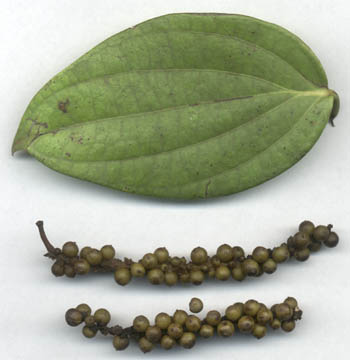
Matale, known for its spice gardens, offers a unique experience where visitors can see the plants used in Ayurvedic medicine, such as cardamom, black pepper, and cloves. Many spice gardens also offer short courses on Ayurvedic remedies.
Experiential Highlights in Matale
- Take guided tours to learn about the herbal properties of spices and medicinal plants. Guides often provide live demonstrations on how specific herbs are processed and used.
- Visitors can enjoy herbal tea tastings and sample traditional remedies for common ailments.
- The gardens feature shops selling a range of herbal oils, teas, and skincare products, allowing visitors to take a piece of Sri Lanka’s herbal heritage back home.
c) Siddhalepa Ayurvedic Hospital and Spa – Colombo
The Siddhalepa group, a leader in Sri Lankan Ayurveda, offers an extensive wellness center in Colombo. This hospital and spa provide holistic treatments based on traditional Ayurvedic practices, overseen by qualified Ayurvedic doctors.
Experiential Highlights in Colombo
- Enjoy personalized consultations with experienced Ayurvedic practitioners who tailor treatments to suit individual needs.
- Try popular therapies like herbal massages, steam baths with medicinal plants, and herbal detoxification treatments.
- Visitors can purchase Siddhalepa’s wide range of products, including herbal balms, oils, and tonics that are widely used for relaxation, pain relief, and general well-being.
d) Indigenous Medicine Garden – Haldummulla
Located in the central highlands, the Indigenous Medicine Garden in Haldummulla offers a chance to see rare herbal plants used in traditional Sri Lankan medicine. This serene garden has a natural landscape that encourages visitors to connect with nature.
Experiential Highlights in Haldummulla
- Learn about indigenous medicinal plants that are hard to find elsewhere, including rare herbs used in traditional Ayurvedic formulas.
- Participate in workshops where visitors learn how to prepare herbal remedies for common ailments.
- Walk through the garden’s lush surroundings, enjoying scenic views of the central highlands.
e) Spice Gardens – Mawanella
Mawanella is another well-known location for spice and herbal gardens, where tourists can see cinnamon, ginger, nutmeg, and a variety of medicinal plants growing in their natural habitats.
Experiential Highlights in Mawanella
- Take a guided tour through the spice gardens, where visitors can observe the different stages of herb and spice processing.
- Sample herbal teas and experience a brief introduction to Ayurvedic oils and balms.
- Explore shops that sell locally produced herbal products, including herbal toothpaste, coconut oil, and infused skincare items.
3. Sample Itineraries for Experiencing Sri Lanka’s Herbal and Ayurvedic Heritage
5-Day Herbal Wellness and Ayurveda Tour
- Day 1 - Colombo: Begin your journey with a visit to the Siddhalepa Ayurvedic Hospital for a wellness consultation and treatment session. Explore the hospital’s herbal product store.
- Day 2 - Peradeniya: Travel to Kandy and visit the Royal Botanical Gardens, exploring the medicinal plants section and learning about Sri Lanka’s native herbs.
- Day 3 - Matale: Discover the spice and herbal gardens of Matale, with hands-on experiences in traditional medicine and tastings of herbal teas.
- Day 4 - Haldummulla: Journey to the Indigenous Medicine Garden in Haldummulla, where you can learn about rare medicinal plants and their uses.
- Day 5 - Return to Colombo: Conclude with a relaxing spa day at a local Ayurvedic center, enjoying massages and herbal treatments.
7-Day In-Depth Ayurvedic and Herbal Tour
- Day 1 - Colombo: Start in Colombo with a consultation at an Ayurvedic wellness center. Enjoy an introduction to Sri Lankan herbal products at a local shop.
- Days 2-3 - Peradeniya and Kandy: Spend two days in Kandy, visiting the Royal Botanical Gardens and exploring herbal markets in town.
- Days 4-5 - Matale: Experience Matale’s spice gardens, take part in herbal workshops, and enjoy traditional Ayurvedic meals made with fresh herbs and spices.
- Day 6 - Mawanella: Visit Mawanella’s spice gardens to learn about Sri Lankan cinnamon, black pepper, and cardamom, commonly used in both cuisine and medicine.
- Day 7 - Negombo: Conclude your tour with a day in Negombo, visiting a local market for fresh Ayurvedic products, oils, and herbal teas before heading back.
4. Practical Tips for Visitors Interested in Sri Lanka’s Herbal Culture
- Respect Herbal Gardens: Many of the plants in Sri Lanka’s herbal gardens are considered sacred or culturally significant. Follow all guidelines and avoid touching plants unless allowed.
- Engage with Local Experts: Many herbal gardens employ knowledgeable guides or Ayurvedic practitioners who can provide detailed insights into the medicinal properties of various plants.
- Try Traditional Herbal Treatments: Most Ayurvedic centers and spas offer unique treatments based on traditional methods, such as herbal oil massages, steam baths with medicinal herbs, and herbal detox therapies. Give these treatments a try to experience the full benefits of Sri Lanka’s herbal tradition.
- Shop Responsibly: Support local communities by purchasing products from certified Ayurvedic centers and reputable herbal gardens, as these sources ensure quality and authenticity.
- Avoid Self-Medicating: Many of Sri Lanka’s herbs have powerful medicinal effects and should only be used under the guidance of a qualified practitioner, especially if you are unfamiliar with traditional medicine.
5. Exploring Sri Lanka’s Herbal Products and Local Markets
In addition to herbal gardens and Ayurvedic centers, Sri Lanka’s markets and shops offer a variety of herbal products for visitors to purchase. Some of the most popular items include herbal balms, essential oils, teas, and natural skincare products. Commonly used herbs like turmeric, gotu kola, cinnamon, and moringa are often available in dried or powdered form, making it easy to incorporate these natural remedies into everyday life. Ayurvedic herbal teas and tonics are also popular, offering benefits such as improved digestion, relaxation, and enhanced immunity.
Many cities in Sri Lanka have designated Ayurvedic stores where visitors can find an extensive range of products, including body oils, massage balms, herbal toothpaste, and face packs made from ingredients like sandalwood and aloe vera. These shops provide a unique shopping experience, allowing travelers to take home a piece of Sri Lanka’s herbal heritage.
Sri Lanka’s herbal and Ayurvedic heritage provides an enriching travel experience for those interested in wellness and natural remedies. The combination of scenic herbal gardens, Ayurvedic centers, and vibrant local markets allows visitors to explore the island’s ancient healing traditions in a hands-on and immersive way. From relaxing herbal treatments to guided tours of spice gardens, the journey through Sri Lanka’s herbal world offers a unique and authentic insight into the island’s dedication to health, healing, and holistic well-being.