xploring Sri Lanka’s Religious Heritage: A Journey Through Temples, Shrines, and Sacred Sites
Sri Lanka is a land of diverse religious traditions that form a deep and enduring part of its cultural landscape. Home to four major religions—Buddhism, Hinduism, Islam, and Christianity—Sri Lanka’s religious heritage is evident in its many temples, churches, mosques, and shrines scattered across the island. Each faith brings a unique blend of rituals, architecture, festivals, and philosophies, contributing to Sri Lanka’s peaceful and multifaceted identity.
This article delves into the rich religious history of Sri Lanka, the sacred sites that attract thousands of pilgrims and travelers, and suggested itineraries for those seeking a ground-level, immersive experience.
Buddhism, introduced to Sri Lanka in the 3rd century BCE, is the dominant religion on the island. However, Hinduism, Islam, and Christianity each have significant followings, with places of worship dotting both urban areas and rural landscapes. Interwoven through centuries, these religions coexist harmoniously, making Sri Lanka a spiritual hub that celebrates diversity.
Sri Lanka is one of the world’s oldest continuous Buddhist nations, with Buddhism playing a central role in shaping its art, architecture, and cultural practices. Most Buddhists belong to the Theravada tradition, and ancient Buddhist sites and temples are revered for their history and spiritual significance.
Hinduism in Sri Lanka is especially significant in the northern and eastern parts of the country, where the Tamil population practices this ancient religion. Hindu temples, often painted in vibrant colors and adorned with intricate carvings, add beauty to the island’s spiritual and cultural mosaic.
Islam was introduced to Sri Lanka through Arab traders as early as the 8th century. Today, Muslims form a large part of the coastal population, with impressive mosques built across the island. These mosques are architectural landmarks, often incorporating local design elements and standing as symbols of Sri Lanka’s trading history.
Introduced by the Portuguese, Dutch, and British, Christianity has a strong presence in Sri Lanka. The island has many churches, especially in Colombo and Negombo, which display colonial and modern architectural styles. Christian festivals like Christmas and Easter are celebrated widely across the island.
Sri Lanka is home to an array of religious sites, from ancient temples in remote villages to grand cathedrals in bustling cities. These sites offer insights into the island’s spiritual traditions, as well as opportunities for reflection and exploration.
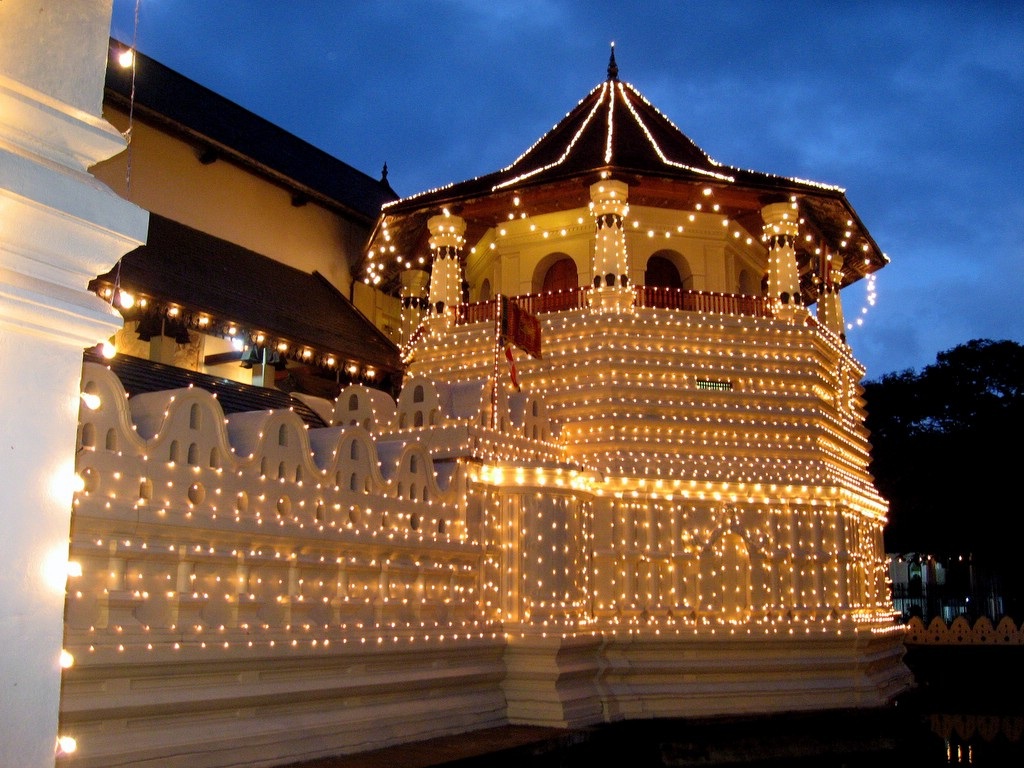
Temple of the Sacred Tooth Relic (Sri Dalada Maligawa), Kandy: This UNESCO World Heritage site houses the tooth relic of Buddha, making it one of the most important Buddhist sites globally. Pilgrims and tourists alike visit this temple to witness the daily rituals and experience the grandeur of the Esala Perahera festival.
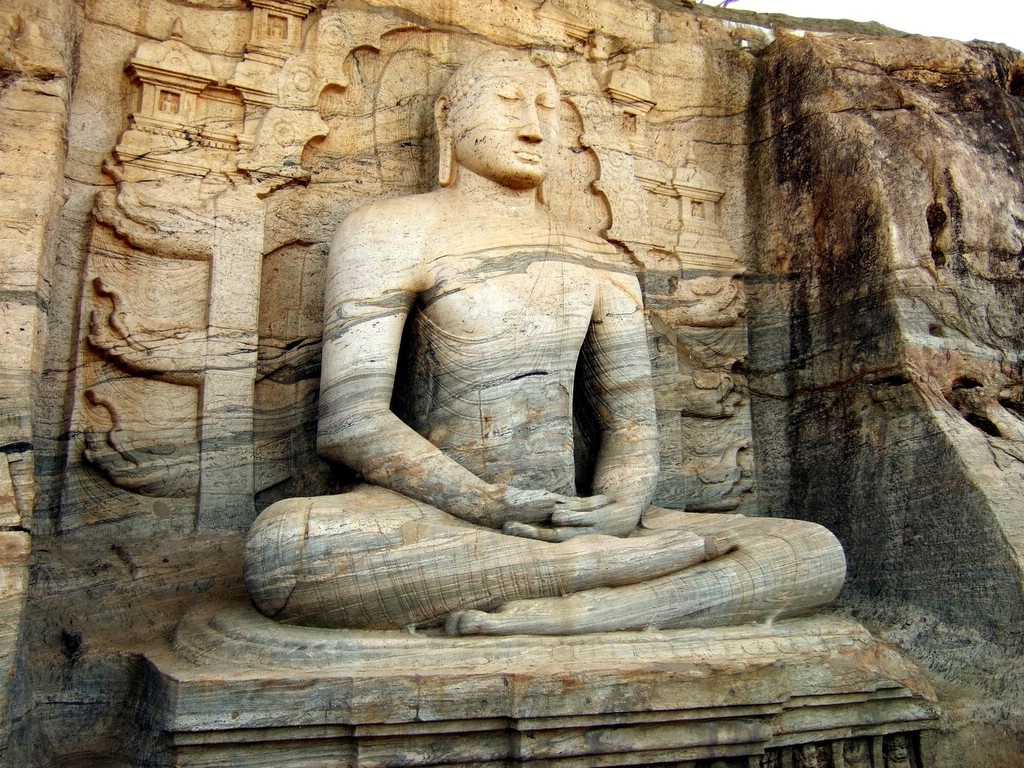
Anuradhapura and Polonnaruwa: Known as Sri Lanka’s ancient capitals, these cities contain centuries-old stupas, monasteries, and Buddha statues. Sites like the Ruwanwelisaya stupa and the Samadhi Buddha statue attract visitors interested in Buddhist history and architecture.
Dambulla Cave Temple: Situated on a hilltop, this temple complex is known for its five caves adorned with Buddhist murals and statues. As visitors enter, they encounter paintings and sculptures illustrating the life of the Buddha, providing a sense of tranquility.
Nallur Kandaswamy Temple, Jaffna: One of the most prominent Hindu temples in Sri Lanka, Nallur Kandaswamy Temple is dedicated to Lord Murugan. Visitors are awed by the temple’s vibrant architecture, featuring carved pillars and colorful gopurams (towers).
Munneswaram Temple, Chilaw: This ancient temple is dedicated to multiple deities, including Shiva. It attracts Hindu pilgrims from across the island, particularly during the annual Navaratri and Sivarathri festivals.
Kataragama Temple: Located in southern Sri Lanka, this multi-faith pilgrimage site is sacred to Buddhists, Hindus, and Muslims alike. The annual Kataragama Esala festival features fire-walking and other rituals, drawing pilgrims from across the country.
Jami Ul-Alfar Mosque (Red Mosque), Colombo: Situated in the heart of Colombo, this mosque is known for its striking red-and-white brick pattern. Built in the early 20th century, the Jami Ul-Alfar Mosque is one of Colombo’s most iconic landmarks, reflecting the island’s Muslim heritage.
Kechimalai Mosque, Beruwala: Said to be one of the oldest mosques in Sri Lanka, Kechimalai Mosque is located in a picturesque coastal area. With its whitewashed walls and serene setting, this mosque is a popular destination for those exploring Sri Lanka’s southern coastline.
St. Anthony’s Shrine, Kochchikade: Known for its healing miracles, St. Anthony’s Shrine in Colombo is an important pilgrimage site for Sri Lankan Christians. Devotees flock to this church, especially on Tuesdays, for prayer and blessings.
St. Mary’s Church, Negombo: Often called "Little Rome" for its high concentration of churches, Negombo is home to the majestic St. Mary’s Church, famous for its ornate ceiling paintings depicting scenes from the Bible.
Dutch Reformed Church, Galle Fort: This 17th-century church in Galle Fort reflects Dutch colonial architecture and has a unique history. Visitors find both its simple interior and graveyard a place of historical reflection.
Experiencing a festival in Sri Lanka is an unforgettable way to witness the island’s religious diversity. Each faith celebrates unique festivals with traditional rituals, parades, and ceremonies that provide a rich cultural experience for visitors.
Esala Perahera, Kandy: Held annually in July or August, this grand procession features dancers, drummers, fire-breathers, and lavishly decorated elephants. Celebrated at the Temple of the Sacred Tooth Relic, it honors the tooth relic of Buddha and is one of Asia’s most colorful religious events.
Vel Festival, Colombo and Jaffna: Dedicated to Lord Murugan, this Hindu festival involves a chariot procession through Colombo and Jaffna. Participants wear traditional attire, carry offerings, and sing devotional songs, creating an atmosphere of reverence and joy.
Mawlid al-Nabi, Colombo and Galle: Celebrating the birth of Prophet Muhammad, this Islamic festival involves prayers, special meals, and charity. Major cities like Colombo and Galle hold community gatherings, allowing visitors to learn about Islamic traditions in Sri Lanka.
Christmas, Nationwide: Christmas in Sri Lanka is a festive time celebrated by Christians and non-Christians alike. Cities and towns are adorned with Christmas decorations, with midnight masses and caroling bringing people together in the spirit of celebration.
7-Day Religious Heritage Tour
Day 1: Arrive in Colombo. Visit the Jami Ul-Alfar Mosque, Gangaramaya Temple, and St. Anthony’s Shrine to appreciate the city’s religious diversity.
Day 2-3: Head to Kandy to explore the Temple of the Sacred Tooth Relic. If possible, visit during the Esala Perahera festival for a truly immersive experience.
Day 4: Journey to Anuradhapura to visit ancient stupas, including Ruwanwelisaya, and the Jaya Sri Maha Bodhi tree, which is believed to have grown from a cutting of the original Bodhi tree under which Buddha attained enlightenment.
Day 5: Travel to Jaffna, where you can visit the Nallur Kandaswamy Temple and learn about Hindu traditions.
Day 6-7: Return to Colombo, with a stop in Negombo to visit St. Mary’s Church and nearby beach communities.
10-Day Pilgrimage and Spiritual Experience
Days 1-2: Begin in Colombo with visits to mosques, churches, and temples, including Gangaramaya Temple and St. Anthony’s Shrine.
Days 3-4: Continue to Anuradhapura and Mihintale, known as the birthplace of Buddhism in Sri Lanka. Explore other sacred sites like the Thuparamaya Dagoba and Isurumuniya Temple.
Days 5-6: Travel south to Kataragama, where you can visit the Kataragama Temple, a multi-faith pilgrimage site.
Days 7-8: Move on to Galle, with a stop at the Dutch Reformed Church, then journey to Kechimalai Mosque in Beruwala.
Days 9-10: Conclude your tour in Kandy, exploring the Temple of the Sacred Tooth Relic and local Buddhist temples.
Respect Local Customs: Each religious site has its own customs. Dress modestly, remove shoes where required, and be mindful of specific prayer or meditation areas.
Check Festival Dates: Sri Lankan festivals are tied to the lunar calendar and vary each year, so check dates in advance to plan your visit around major celebrations.
Guided Tours: Hiring a local guide with knowledge of Sri Lanka

Ancient Cities
National Parks
Popular Beaches
2024 sri-lanka.asia , All rights reserved [ Sri Lanka Asia Travel & Tourism Foundation ] | Terms and Conditions | Privacy Policy | Disclaimer | Instagram | Linkedin