Exploring Sri Lanka’s Mask Culture: Art, Tradition, and Craftsmanship
Sri Lanka’s vibrant mask culture is one of its most fascinating and visually striking traditions, rooted in ancient rituals, folklore, and craftsmanship. Masks are a defining element in many local dance forms, healing ceremonies, and traditional storytelling. For centuries, artisans have carefully carved these masks from soft woods, then meticulously painted them to bring mythical figures, deities, and characters from folklore to life.
This guide provides a comprehensive look into the world of Sri Lankan masks, covering everything from the crafting process and historical significance to where travelers can explore mask-making workshops, watch live performances, and purchase these one-of-a-kind pieces of art.
The mask culture in Sri Lanka has deep roots, originating from three main traditions: kolam (comic folk theatre), sanni (healing and exorcism rituals), and raksha (protective dance forms). Each tradition has its unique style, symbolism, and purpose, with masks crafted specifically for different ceremonies and performances.
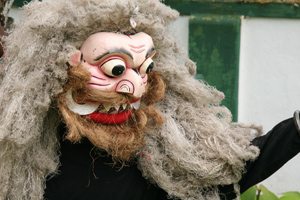
Kolam masks are used in a form of folk theater that combines dance, satire, and storytelling. Performances often depict local legends, social issues, and folklore, using comic masks to exaggerate the features and expressions of the characters. Kolam performances originated in the coastal areas, especially in southern Sri Lanka, and are traditionally accompanied by drums and narrative songs.
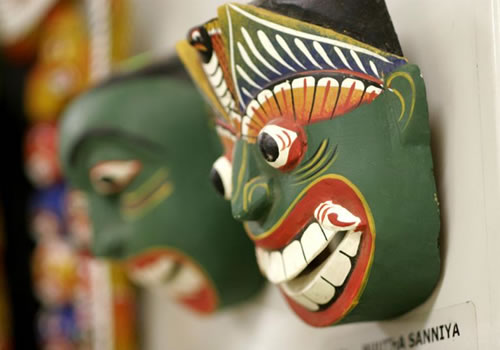
Sanni masks are used in healing rituals called sanni yakuma, which are intended to drive away evil spirits and cure illnesses. Each mask represents a specific type of affliction or ailment, with vivid expressions designed to embody the spirit causing the illness. These masks are considered sacred and play a central role in rituals carried out by exorcists, known as yakadura.
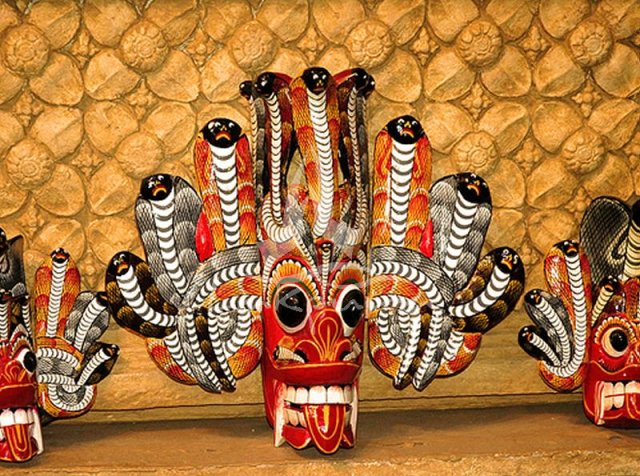
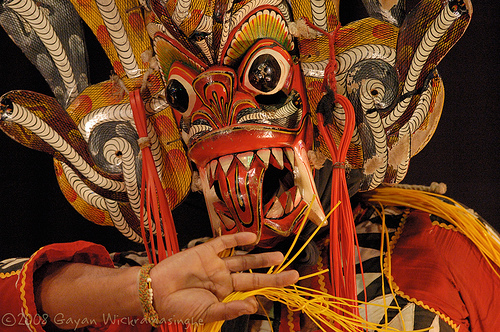
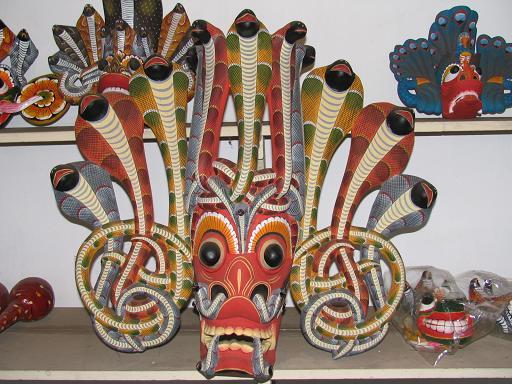
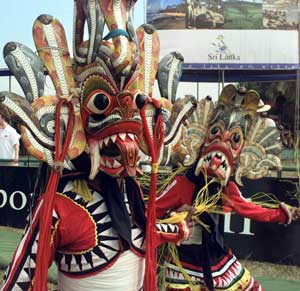
Raksha masks, also known as demon masks, represent mythological creatures and are believed to offer protection from evil. The most iconic raksha mask is the cobra mask, with its menacing design and vivid colors. These masks are prominently used in the raksha dance, where dancers perform wearing these masks to ward off malevolent spirits.
Mask-making in Sri Lanka is an intricate process that combines artistic skill, cultural knowledge, and spiritual reverence. Artisans usually craft these masks from soft wood called kaduru, which is easy to carve and paint.
The mask-making process involves selecting a piece of kaduru wood, sketching the design, and carefully carving the wood to create detailed facial features. Artisans use hand tools like chisels and knives to sculpt the wood, paying close attention to the unique details of each character. Once the carving is complete, the mask is sanded and polished to prepare it for painting.
The painting process is equally detailed, involving multiple layers of bright colors, intricate patterns, and symbolic elements. For instance, sanni masks are painted with exaggerated, almost grotesque expressions, while raksha masks feature vivid reds, yellows, and greens to depict powerful mythical creatures.
Each mask’s color, design, and expression hold cultural and spiritual meaning. For example, the cobra raksha mask symbolizes protection, while certain sanni masks embody specific illnesses, such as headaches, fevers, or even psychological ailments. Kolam masks, with their humorous expressions, represent characters like the village drummer, the old woman, or the king, each symbolizing a particular personality trait or social role.
Travelers can immerse themselves in Sri Lanka’s mask culture by visiting the areas where these masks are traditionally crafted and witnessing live performances that bring these masks to life.
Ambalangoda, located on the southwestern coast of Sri Lanka, is renowned as the hub of traditional mask-making. This coastal town is home to several family-run workshops where artisans continue to craft masks using age-old techniques passed down through generations.
Highlights of Ambalangoda: Visitors can explore the Mask Museum, which showcases an impressive collection of masks from different traditions and explains the history, cultural significance, and symbolism of each type. Many workshops also offer guided tours, allowing visitors to observe the carving and painting processes firsthand. For those interested, some workshops even offer hands-on mask-making sessions, where visitors can try carving a small mask or painting one under the guidance of an artisan.
Purchasing a Mask: Authentic masks make for memorable souvenirs, and many workshops sell handmade masks directly to visitors. Travelers can choose from a wide variety of masks, each representing a different story or character from Sri Lankan folklore.
To fully appreciate the artistry of these masks, travelers should try to attend a traditional performance where these masks are used. The best places to witness these performances are cultural centers in cities like Kandy and Colombo, where events often include traditional dances and folk theater.
Kolam Performances: Kolam performances are a unique experience, blending humor and social commentary with captivating storytelling. While fewer kolam shows are available today, some cultural centers and festivals feature these performances, allowing visitors to see how masks bring characters and stories to life.
Sanni Yakuma: Although sanni yakuma rituals are less common and often performed in private, some villages in southern Sri Lanka may hold these exorcism ceremonies as part of religious or cultural events. These are more solemn rituals with a spiritual focus, and watching one offers insight into the cultural beliefs surrounding illness and healing.
Raksha Dance: Raksha dances are commonly performed at festivals, including the Esala Perahera in Kandy. This annual procession features elaborate costumes, drumming, and raksha dancers wearing their iconic cobra and demon masks, creating an unforgettable experience of Sri Lankan traditional arts.
3-Day Mask Culture Tour
Day 1: Arrive in Colombo and visit the National Museum to gain an overview of Sri Lankan history and cultural artifacts, including masks from different regions and traditions. In the evening, attend a traditional dance show featuring raksha masks.
Day 2: Travel to Ambalangoda to explore the Mask Museum and visit a local workshop. Participate in a mask-painting workshop to create a personalized souvenir. Spend the night in Galle, where you can explore the historical fort area.
Day 3: Head back to Colombo, visiting a few craft shops along the way to purchase traditional handicrafts, including masks.
5-Day Traditional Art and Mask Tour
Day 1: Arrive in Colombo. Visit the Artisans’ Village to observe different traditional crafts, including mask-making. Attend a dance performance featuring raksha masks in the evening.
Day 2: Travel to Kandy to explore its rich cultural heritage. Visit the Temple of the Tooth and attend a traditional dance performance. Enjoy some time shopping for locally made handicrafts.
Day 3: Journey to Ambalangoda. Visit the Mask Museum and take part in a mask-making workshop where you can learn carving or painting techniques. Spend the night in a nearby coastal resort.
Day 4: Spend a full day in Ambalangoda, exploring additional workshops and purchasing unique handcrafted masks. Learn about the symbolism and meanings behind each mask style.
Day 5: Return to Colombo for any final shopping and visit cultural centers to deepen your understanding of Sri Lankan art forms.
Engage with Local Artisans: Many workshops are family-owned, and artisans often enjoy sharing their knowledge about the history and significance of each mask. Engaging in conversation enriches the experience and provides a deeper understanding of the culture.
Choose Authentically Made Masks: Purchasing masks from reputable workshops or museums ensures the mask is crafted using traditional methods. Authentic masks are often crafted from kaduru wood and painted by hand.
Check for Workshops and Performances: Some events are seasonal or held on specific days, so checking with local cultural centers or hotels can help secure bookings for workshops or performances.
Understand Cultural Etiquette: Masks, especially those used in sanni yakuma rituals, have spiritual significance. Respect the cultural and religious customs surrounding these items, especially in places where healing ceremonies or private rituals may be held.
Sri Lanka’s traditional masks are more than just artifacts; they are carriers of history, culture, and community values. Today, while modern art and design have influenced local artisans, the preservation of traditional mask-making techniques continues to thrive, thanks in part to tourism and an appreciation for cultural heritage. Many young artisans in Ambalangoda are blending ancient designs with modern aesthetics, creating unique art pieces that appeal to contemporary tastes while honoring their heritage.
For travelers, exploring Sri Lanka’s mask culture offers an inspiring glimpse into the soul of the island. From the haunting expressions of sanni masks to the comic characters of kolam theater, these masks reveal the stories, beliefs, and artistry that define Sri Lanka’s cultural identity. Whether watching a live performance, creating a mask in a workshop, or bringing home an authentic piece, visitors can engage with a timeless tradition that celebrates the spirit and creativity of Sri Lanka.
Ancient Cities
National Parks
Popular Beaches
2024 sri-lanka.asia , All rights reserved [ Sri Lanka Asia Travel & Tourism Foundation ] | Terms and Conditions | Privacy Policy | Disclaimer | Instagram | Linkedin