Sri Lanka Films: A Cinematic Journey Through the Heart of Island Culture
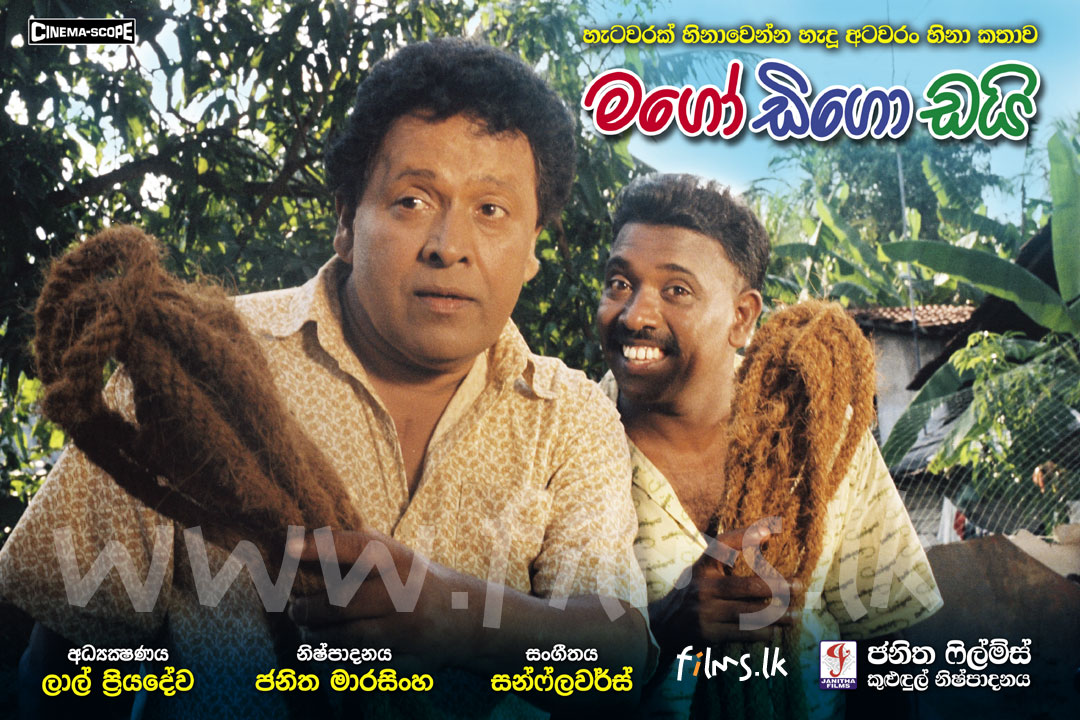
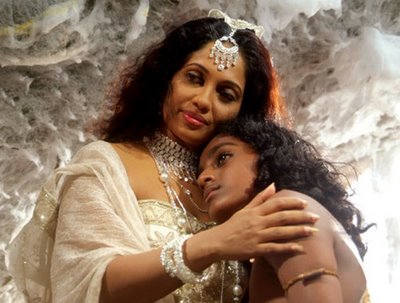
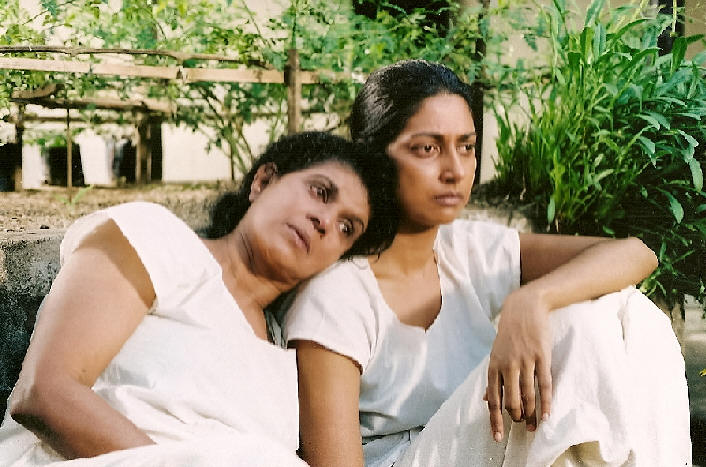
Sri Lanka, an island rich in history, culture, and natural beauty, has a fascinating cinematic tradition. The Sri Lankan film industry, often referred to as Cine Lanka, is a vibrant reflection of the country's social, political, and cultural evolution. From its early days of colonial influence to the global recognition of contemporary films, Sri Lanka's film industry continues to captivate audiences worldwide.
This article explores the unique world of Sri Lankan films, highlighting key films, directors, and trends. Additionally, we’ll take a look at the role of Sri Lankan films in tourism, recommending key locations and itineraries for those interested in exploring the places that have influenced this cinematic landscape.
Sri Lankan cinema dates back to 1947, just after the country gained independence. The first feature film, “Kadawunu Poronduwa” (The Broken Promise), was directed by S. M. Nayagam, and it set the stage for the Sri Lankan film industry. While the industry faced several challenges in its early years, including limited resources and colonial-era restrictions, it managed to carve out a distinct identity.
In the 1950s and 1960s, Sri Lankan cinema began to develop more robustly, with the help of **director Lester James Peries, who is often considered the father of Sri Lankan cinema. His films, such as “Rekava” (1956), explored the social realities of the island, and he became known for pioneering modern Sri Lankan filmmaking.
“Rekava,” a groundbreaking work, marked a shift away from the melodrama of early films and explored themes of realism and social issues. Peries’ works laid the foundation for Sri Lanka's artistic and intellectual exploration through cinema.
The 1970s and 1980s are often considered the golden age of Sri Lankan cinema. Directors such as Lester James Peries, Vasantha Obeysekere, and Dharmasiri Bandaranayake made significant contributions to the development of the industry during this period.
One of the most prominent films of this era was “Nidhanaya” (1972), directed by Vasantha Obeysekere, which won the Best Film Award at the Asia Pacific Film Festival. This era saw a greater focus on films that dealt with social and political themes, reflecting the tensions within the country during a period of economic difficulty and political unrest.
Filmmakers during this time were keen to express the Sri Lankan experience through narratives that spoke to the country’s identity. They touched on themes of post-colonialism, class, and the Sinhala-Tamil conflict, with a strong focus on capturing the rural and urban realities of life on the island.
With the 1990s and 2000s, Sri Lankan cinema continued to evolve. The advent of digital technology changed the way films were made and distributed. Independent filmmakers and emerging filmmakers took to the scene, creating films that were more experimental and international in scope.
Films like “The Road from Elephant Pass” (2008), directed by Chandran Rutnam, began to receive international attention for their portrayal of the civil conflict and its human cost. Rutnam’s film explored the ethnic tension between the Sinhalese and Tamils in the backdrop of Sri Lanka’s civil war, highlighting the humanity that transcends ethnic lines.
During this time, Sri Lanka also saw the development of a thriving film festival scene. Festivals like the Sri Lanka International Film Festival (SLIFF) and the International Film Festival of Colombo (IFFC) became important platforms for emerging filmmakers and a way for international audiences to experience Sri Lankan films.
Filmmakers began to experiment more with different genres, including documentaries, historical dramas, and even fantasy films. Directors such as Prasanna Vithanage and Sakvithi Ruwan contributed to a new wave of cinema that blended traditional Sri Lankan themes with contemporary techniques and global influences.
Sri Lankan films began to gain recognition at prestigious international film festivals, which helped bring global attention to the country’s filmmaking talent. Films such as “Machan” (2008) by Uberto Pasolini and “Karma” (2009) by Gihan Seneviratne received acclaim for their engaging narratives and depictions of Sri Lankan life.
“Machan”, based on a true story, was an international hit, telling the story of a group of Sri Lankan men who trick the authorities into believing they are part of the national handball team. The film’s global recognition was a turning point for Sri Lankan cinema, marking its potential for international success.
Filmmakers like Aruna Jayawardena and Indika Ferdinando continued to develop Sri Lankan cinema’s narrative style, introducing fresh perspectives and tackling universal themes such as family, love, and identity while staying grounded in Sri Lankan culture.
The intersection of Sri Lankan films and tourism has become an increasingly important aspect of the country’s cultural tourism sector. Film lovers from around the world are drawn to Sri Lanka not only because of the beauty of its landscapes and cultural heritage but also because of its cinematic heritage.
Film tourism in Sri Lanka is growing steadily, with many visitors looking to explore the locations where famous Sri Lankan films have been shot. Here are some of the best places for film tourism in Sri Lanka:
As the commercial capital, Colombo is the hub for the Sri Lankan film industry. Here, visitors can explore the Cultural Triangle, a region renowned for its historic landmarks and cultural connections to the country's cinematic history. Many local filmmakers use Colombo as a backdrop for urban stories, and a visit to local film studios and theaters will give you insight into the industry’s evolution.
Located in the Cultural Triangle, Sigiriya and Dambulla are famous for their dramatic landscapes and ancient heritage. These sites have been featured in several films, notably those exploring historical and mythological themes.
The city of Kandy, a UNESCO World Heritage Site, is famous for its cultural richness and is a popular setting for films exploring Sri Lanka’s traditional arts. The Esala Perahera, a grand Buddhist festival, has been featured in numerous films, showcasing Sri Lanka’s religious heritage.
Located on the southern coast, Galle is a picturesque city known for its colonial architecture and dramatic coastal views. Films focusing on Sri Lanka’s coastal life and colonial history often use Galle as a backdrop.
A journey through Sri Lanka’s film history can be an exciting and enriching experience for visitors. Here's a suggested itinerary for those eager to explore the cinematic side of Sri Lanka:

Ancient Cities
National Parks
Popular Beaches
2024 sri-lanka.asia , All rights reserved [ Sri Lanka Asia Travel & Tourism Foundation ] | Terms and Conditions | Privacy Policy | Disclaimer | Instagram | Linkedin