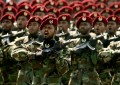
Sri Lanka Defense: History, Structure, and National Security
Sri Lanka, an island nation located in the Indian Ocean, has a long and complex history when it comes to its defense and national security. Over the centuries, the island has faced various challenges ranging from colonial invasions to civil conflict, but through it all, Sri Lanka has built a robust defense system. Today, the Sri Lankan Defense forces are known for their commitment to maintaining peace and stability, both within the country and in regional security matters.
This article explores the history of Sri Lanka’s defense, the structure of its armed forces, and the significance of its military efforts in the modern world. The country's defense policy, military achievements, and ongoing efforts to maintain peace and security, both domestically and internationally, are also discussed. Visitors interested in learning more about Sri Lanka's military history can explore various sites that shed light on this vital aspect of the island’s heritage.
Sri Lanka’s history is marked by periods of internal strife and external invasions, which significantly influenced the development of its defense systems. In ancient times, Sri Lanka was a powerful kingdom with a strong military presence, able to defend its territory from external invaders and maintain internal order.
During the colonial period, Sri Lanka was under the control of the Portuguese, Dutch, and British, all of whom established military forces to control the island. The British, in particular, built a well-structured colonial military system to keep the island under their control. This military legacy persisted long after Sri Lanka gained independence in 1948.
Post-independence, Sri Lanka’s defense was primarily shaped by the evolving political landscape. In the 1950s, with growing tensions in the region and within the country, the island began to bolster its defense mechanisms. This was particularly true in the 1980s during the Sri Lankan Civil War, a time when the country faced significant internal conflict with the Tamil Tigers (LTTE). The conflict, which lasted nearly three decades, played a key role in shaping Sri Lanka's current defense strategies and the strengthening of its military forces.
The conclusion of the civil war in 2009 marked a turning point in Sri Lanka’s military history. Following the defeat of the LTTE, the government focused on rebuilding the nation and its military, while prioritizing efforts to ensure long-term national security and peace.
Sri Lanka’s defense is managed by three primary branches of the military: the Sri Lanka Army, Sri Lanka Navy, and Sri Lanka Air Force. These branches work together to safeguard the country’s sovereignty and territorial integrity.
The Sri Lanka Army is the largest branch of the nation’s defense forces, with a primary role in land-based defense. The army is tasked with protecting the country from external threats and maintaining internal security. It has historically played a significant role in conflict resolution, peacekeeping, and humanitarian operations.
During the civil war, the Sri Lanka Army was at the forefront of operations to protect civilians and secure the country's borders. Today, the army continues to ensure the protection of Sri Lanka’s land territory and is involved in peace-building efforts in the post-war era, especially in the northern and eastern regions of the island that were most affected by the conflict.
The Sri Lanka Army also plays a key role in disaster relief operations, providing humanitarian aid in times of natural calamities like floods, tsunamis, and landslides.
The Sri Lanka Navy is responsible for defending the island nation’s maritime boundaries, ensuring the security of Sri Lanka's territorial waters, and protecting its sea lanes. With Sri Lanka’s strategic position in the Indian Ocean, the navy plays an important role in regional maritime security.
The Sri Lanka Navy was instrumental in the civil war, fighting against the LTTE’s maritime wing and securing vital coastal areas. Today, the navy focuses on preventing piracy, human trafficking, and illegal fishing activities, while ensuring the protection of the island's commercial shipping routes.
The Navy also plays a significant role in Sri Lanka’s international defense partnerships, particularly in the Indian Ocean region, where it collaborates with other naval forces to combat piracy and protect regional shipping lanes. The naval base in Trincomalee, one of the largest natural harbors in the world, is a key strategic asset.
The Sri Lanka Air Force (SLAF) is responsible for the defense of the country’s airspace and providing aerial support for land and sea operations. The SLAF has a wide range of aircraft, including fighter jets, transport planes, and reconnaissance planes, which are used for both defense and humanitarian missions.
During the civil war, the SLAF played a significant role in aerial surveillance and combat operations. In the post-war era, the SLAF is involved in a wide range of duties, including disaster relief, search and rescue operations, and peacekeeping missions. The Air Force also plays a critical role in national security by patrolling Sri Lanka’s vast airspace and safeguarding the country from potential threats.
Sri Lanka’s defense policy is based on the principle of non-alignment and a strong commitment to maintaining peaceful relations with its neighbors and other global powers. The country's defense strategy focuses on ensuring internal stability, safeguarding its borders, and maintaining the sovereignty of its land, sea, and airspace.
Following the end of the civil war, Sri Lanka has shifted its focus to rebuilding the nation and maintaining national reconciliation. The government continues to prioritize military modernization, equipping the defense forces with advanced technology and expanding their capabilities to meet modern security challenges. This includes enhancing counter-terrorism measures, improving intelligence-gathering capabilities, and investing in the modernization of military equipment and infrastructure.
One of the key challenges that Sri Lanka faces is the threat of transnational organized crime, including human trafficking, narcotics smuggling, and illegal fishing. As the island nation’s economy grows, the government continues to strengthen its defense forces to address these modern security concerns. Additionally, climate change has become a growing issue, with rising sea levels and extreme weather events potentially posing threats to national security, particularly in coastal areas.
Sri Lanka’s defense forces have gained recognition internationally for their efforts in maintaining peace and security. The country's military has contributed significantly to peacekeeping missions under the auspices of the United Nations. Sri Lankan troops have been deployed to several regions around the world, including Lebanon, Sudan, Congo, and Cyprus, where they have played a key role in stabilizing conflict zones and providing humanitarian assistance.
Sri Lanka’s defense sector also plays an important role in disaster response and humanitarian aid. For example, following the devastating 2004 tsunami, the Sri Lankan military was pivotal in rescue and relief efforts, helping rebuild the affected regions and assisting in providing shelter, food, and medical care.
For visitors interested in learning more about Sri Lanka's military history and defense legacy, there are several places around the island that offer a deeper insight into the country's defense forces.

Ancient Cities
National Parks
Popular Beaches
2024 sri-lanka.asia , All rights reserved [ Sri Lanka Asia Travel & Tourism Foundation ] | Terms and Conditions | Privacy Policy | Disclaimer | Instagram | Linkedin