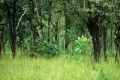
Exploring Yagirala Forest Reserve: Sri Lanka's Hidden Natural Gem
Nestled in the southwestern region of Sri Lanka, the Yagirala Forest Reserve is one of the country’s most intriguing and ecologically significant protected areas. Though it is less known than some of the island’s more famous parks, Yagirala offers an extraordinary opportunity to experience Sri Lanka’s diverse biodiversity, lush landscapes, and unspoiled wilderness. Whether you're an eco-tourist, a bird-watcher, a hiker, or someone simply looking to immerse yourself in the beauty of Sri Lanka's natural environment, Yagirala Forest Reserve is a hidden gem that provides a perfect blend of adventure and tranquility.
About Yagirala Forest Reserve
Located in the Kalutara District, approximately 70 kilometers south of Colombo, the Yagirala Forest Reserve spans over 3,000 hectares of tropical rainforest. It lies between the towns of Horana and Panadura, two well-known areas in the Western Province, making it relatively accessible for tourists staying in or around Colombo.
Yagirala Forest is known for its dense rainforest ecosystem, with unique flora and fauna, and its significance in Sri Lanka’s ecological landscape. The reserve is part of the Sinharaja-Mahaweli ecosystem, which is one of the most biodiverse regions in the country. It is also recognized for being an essential watershed area, feeding several rivers and streams that provide water to nearby agricultural areas.
Biodiversity in Yagirala Forest Reserve
The Yagirala Forest Reserve is home to a rich variety of plant and animal species, many of which are endemic to Sri Lanka. The reserve's diverse habitats range from lowland tropical rainforests to secondary forests, making it a unique ecological zone in Sri Lanka. It is not only important for preserving endemic species but also for its role in climate regulation, soil conservation, and as a critical source of freshwater.
Flora
Yagirala's flora is dominated by tropical rainforest trees, including giant trees, vines, and bamboo. The dense forest cover provides a haven for various plant species, some of which are rare and endemic to Sri Lanka. Notable species include:
- Sri Lanka Ironwood (Mesua ferrea): A towering tree that is native to Sri Lanka and often found in tropical forests.
- Cinnamon Trees: Sri Lanka’s cinnamon, known worldwide, grows in the reserve, and it can be seen in the lower regions of the forest.
- Rattan Palm: A climbing palm species, which is an important resource for local crafts.
Yagirala also has several species of medicinal plants, which are integral to Sri Lanka’s traditional Ayurveda practices. These plants are used in herbal remedies and treatments, making the forest a hub for natural health resources.
Fauna
The fauna of Yagirala is equally fascinating, with several species of mammals, birds, reptiles, and insects. The forest reserve is home to several endemic species, some of which are rare or threatened. Among the notable animal species that inhabit the reserve are:
- Sri Lankan Leopard (Panthera pardus kotiya): Although elusive and rarely spotted, the Sri Lankan leopard is one of the apex predators in the region.
- Sri Lankan Elephant (Elephas maximus maximus): Though not commonly seen, the elephants of Yagirala are part of a migratory population that roams the region.
- Wild Boar (Sus scrofa): These animals are often spotted foraging in the forest.
- Endemic Monkeys: Species such as the Purple-faced Langur and the Toque Macaque are common sights in the reserve.
- Birdlife: Yagirala is a paradise for bird-watchers. You can spot species like the Sri Lanka Blue Magpie, Sri Lanka Junglefowl, and various endemic cuckoos, hornbills, and parrots.
- Reptiles: The reserve is also home to numerous reptile species, including the Indian Star Tortoise and a variety of snakes, such as the Sri Lankan Krait.
The reserve’s rich biodiversity makes it an ideal location for nature lovers and wildlife enthusiasts seeking to witness rare species in their natural habitat.
Top Attractions and Activities in Yagirala Forest Reserve
Yagirala Forest Reserve may not be as well known as some of Sri Lanka’s other famous national parks, but it offers a truly authentic and immersive experience for visitors. Whether you’re interested in hiking through its dense jungles, bird-watching, or simply soaking in the serene beauty of the area, Yagirala offers a variety of activities.
Hiking and Trekking
One of the best ways to experience the Yagirala Forest Reserve is through hiking and trekking. The forest features several well-marked trails that take visitors through the heart of the rainforest, where they can witness its biodiversity up close. The trails vary in difficulty and length, allowing both beginners and seasoned hikers to enjoy the forest at their own pace.
Some of the popular trails in the reserve include:
- Yagirala to Kalu Ganga: This relatively short and easy trail takes you along the banks of the Kalu Ganga River, offering views of the lush greenery and wildlife.
- Forest Trails: For more experienced hikers, the trails through the dense forest offer an immersive experience, where you can explore deep into the forest, cross streams, and witness stunning waterfalls.
As you hike through the forest, you may encounter various wildlife, including monkeys, wild boar, and endemic bird species. Along the way, be sure to look out for the strikingly beautiful cinnamon trees and towering ironwood trees.
Bird Watching
Yagirala Forest Reserve is an ideal bird-watching destination. The reserve boasts an incredible variety of bird species, with over 100 recorded species. The dense canopy and varied vegetation make it a prime habitat for both endemic and migratory birds. Some of the bird species you might spot include:
- Sri Lanka Blue Magpie
- Ceylon Hanging Parrot
- Sri Lanka Junglefowl
- Red-faced Malkoha
- Greater Coucal
Bird-watching in Yagirala is best done early in the morning when the birds are most active. You can either walk the trails or take a guided tour to learn more about the various species and their behaviors.
Photography
For nature photographers, Yagirala provides a wonderful opportunity to capture the beauty of Sri Lanka’s rainforests. Whether you’re taking shots of wildlife, landscapes, or macro photography of insects and plants, the reserve offers a wide range of subjects for every photographer. The dense forest, rich biodiversity, and beautiful scenery make it a great location for creating stunning images of Sri Lanka's natural beauty.
Waterfalls and Streams
The Yagirala Forest Reserve is crisscrossed by several streams and waterfalls, adding to its allure. Many of these waterfalls are hidden deep in the forest and can be reached by trekking along the trails. Kalu Ganga Falls is one of the most popular spots, where visitors can enjoy the serene surroundings and cool off in the fresh, mountain water.
Cultural and Local Village Visits
Although the Yagirala Forest Reserve is primarily a natural attraction, the surrounding area is also home to traditional Sri Lankan villages. These villages provide an excellent opportunity for visitors to experience the culture and lifestyle of local communities.
During your visit, you may have the chance to explore the local cinnamon plantations, where you can see how cinnamon is cultivated and processed. Herbal gardens are also common in the area, where visitors can learn about traditional Ayurvedic practices and the various plants used for medicinal purposes.
Best Time to Visit Yagirala Forest Reserve
The best time to visit Yagirala Forest Reserve is during the dry season, which typically lasts from December to March. During this time, the weather is more pleasant for hiking and exploring the reserve, with less rainfall and cooler temperatures. However, if you are interested in bird-watching, visiting during the wet season from April to October can be rewarding, as many migratory birds are present during this period.
How to Reach Yagirala Forest Reserve
Yagirala Forest Reserve is easily accessible by road from Colombo, located about 70 kilometers to the north. The most convenient way to reach the reserve is by car, with a drive that takes approximately two hours. Alternatively, public transport options, including buses and taxis, can be used to reach the reserve’s entry points.
Where to Stay
For those wishing to stay close to the reserve, there are several guesthouses and eco-lodges in the nearby town of Horana and Panadura. These accommodations provide a comfortable base for your adventures and often offer eco-friendly amenities and nature-based activities.
For a more immersive experience, camping near the reserve is also a popular option. Camping allows visitors to experience the forest at its most tranquil, with the sounds of nature and the night sky overhead.
Conclusion
Yagirala Forest Reserve is an undiscovered treasure for nature lovers and eco-tourists alike. Its rich biodiversity, serene landscapes, and variety of activities make it a perfect destination for those looking to escape into nature, hike through rainforests, observe wildlife, or simply relax in an unspoiled